

What Is My St. Albert Home Worth? Why Similar Homes Can Have Different Values
If you’ve been watching homes sell in your St. Albert neighbourhood, you’ve probably noticed that properties with similar square footage, bedrooms and bathrooms don’t always sell for similar prices.
One home might attract considerable interest while another, just a few streets away, sits on the market longer than expected. A recently renovated property may sell for more than a larger home, while an established house with mature landscaping might appeal to buyers who aren’t interested in newer construction.
For homeowners wondering what their St. Albert home is worth, these differences can make it difficult to arrive at a realistic number.
Understanding your home’s value involves much more than checking nearby asking prices, reviewing your municipal assessment or entering your address into an online calculator. It requires looking at the property itself, the neighbourhood, recent comparable sales and what buyers are currently willing to pay.
Your Home’s Value Is About More Than Square Footage
Square footage is an important starting point when comparing properties, but it doesn’t tell the whole story.
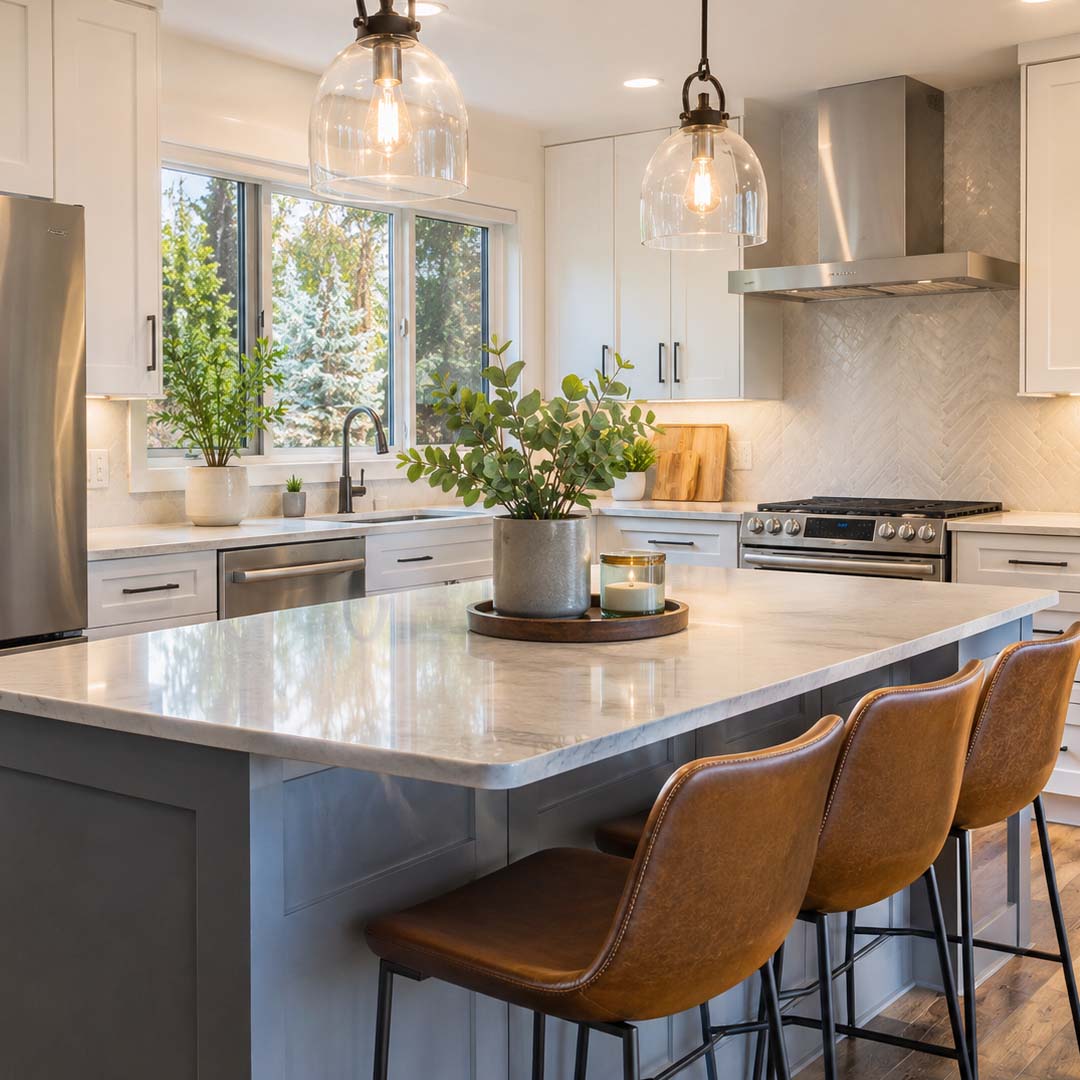
Consider two detached homes in St. Albert with approximately the same interior living area. One has an updated kitchen, newer windows, a finished basement and a double attached garage. The other has a larger backyard and mature trees but needs significant interior improvements.
Both properties may appeal to buyers, but not necessarily the same buyers or at the same price.
The age and condition of major building components, the quality of renovations, floor plan, lot characteristics and available parking can all influence perceived value.
A well-maintained home with a practical layout may be more appealing than a larger property that requires considerable work. Similarly, a house with original finishes can still have desirable features that are difficult or expensive to reproduce, such as an attractive lot or an established location.
The important question isn’t simply how your home compares on paper. It’s how buyers are likely to compare the complete property with the alternatives available to them.
How Your St. Albert Neighbourhood Influences Property Value
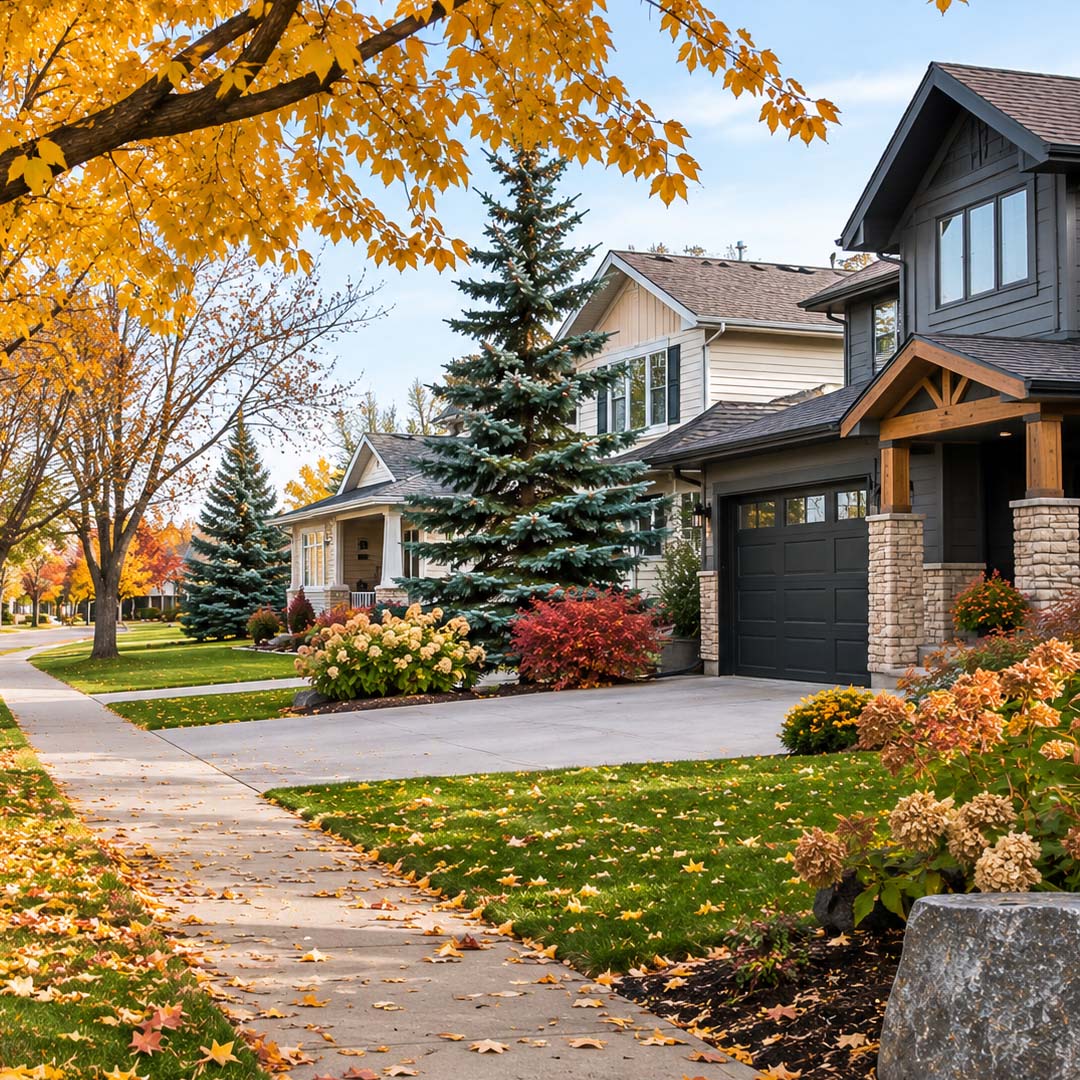
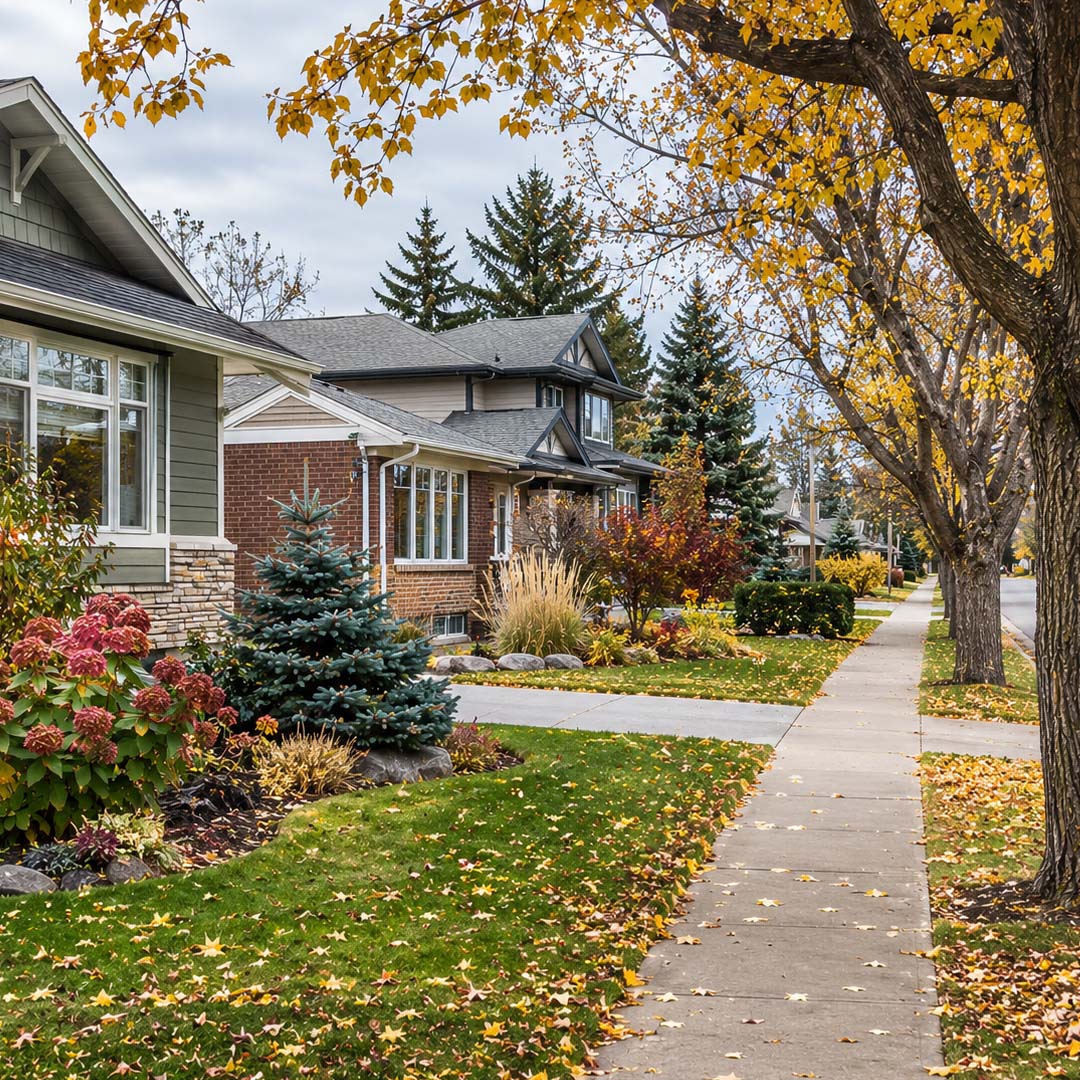
St. Albert’s residential neighbourhoods offer different combinations of home age, property size, landscaping, amenities and architectural styles.
Established communities such as Braeside, Mission, Forest Lawn and Lacombe Park can appeal to buyers who appreciate mature trees, established streets and the character of older residential areas.
In newer communities such as Jensen Lakes, Riverside and Erin Ridge North, buyers may be looking for contemporary layouts, newer building systems and modern finishes.
Neither type of neighbourhood is automatically more valuable. The relationship between location and price depends on the property, its condition and the preferences of buyers shopping within that price range.
Even within the same neighbourhood, location can make a difference. A property backing onto green space may attract different interest than a similar house on a busier road. A corner lot, walk-out basement, proximity to trails or particular street setting can influence how buyers evaluate a home.
For a closer look at the differences between local communities, explore our St. Albert neighbourhood guide.
Why Recent Sold Prices Matter More Than Asking Prices
One of the most common ways homeowners estimate their property’s value is by looking at other homes currently listed for sale.
It’s understandable. Asking prices are easy to find, and nearby listings provide a useful indication of what sellers hope to achieve.
However, an asking price is not the same as a sale price.
A home listed at $650,000 hasn’t necessarily established that comparable properties are worth $650,000. The final selling price may be higher, lower or equal to the asking price, depending on buyer interest, competition and the property’s characteristics.
Recent completed sales provide a more meaningful starting point because they reflect prices buyers and sellers have actually agreed upon.
A comparative market analysis examines relevant sold properties while accounting for differences such as:
- Neighbourhood and street location
- Property type and interior living area
- Age, condition and renovation history
- Lot size and outdoor features
- Garage and parking configuration
- Basement development
- Timing of the sale
- Current competing listings
The closer the comparable properties are to your home in terms of location, condition and features, the more useful those comparisons become.
Where direct comparisons are limited, additional judgment is required. A unique home, extensively renovated property or house on an unusual lot may not have an obvious equivalent among recent sales.
Is Your St. Albert Property Assessment the Same as Market Value?
Your annual municipal property assessment can be a useful reference, but it shouldn’t be treated as a guaranteed selling price.
The City of St. Albert assesses properties for municipal and education taxation purposes using a legislated valuation date.
For example, the City’s 2026 assessment notices reflect market value as of July 1, 2025, and the property’s physical condition as of December 31, 2025.
That means the assessment is based on a particular point in time rather than the exact conditions that exist when you decide to sell.
The City’s assessment process considers characteristics such as location, lot size, building size, age, condition, improvements and comparable sales. However, an individual property’s eventual selling price can differ from its assessed value.
If you’re considering listing your home, a current comparative market analysis is more useful for understanding how it may compete in today’s market.
You can learn more about the assessment process directly from the City of St. Albert’s property assessment information.
Do Renovations Increase Your St. Albert Home’s Value?
Renovations can improve a property’s appeal, but the amount spent on improvements doesn’t automatically translate into an equivalent increase in selling price.
A homeowner might invest substantially in a kitchen renovation, only to discover that buyers place greater importance on the home’s overall condition, layout or location.
Other improvements, such as replacing an aging roof or updating major mechanical systems, may not create the same immediate visual impact but can help address concerns that otherwise affect a buyer’s willingness to make an offer.
The value of an improvement depends partly on what buyers expect within a particular neighbourhood and price range.
For example, a fully renovated established home may appeal to buyers who want mature surroundings without taking on a major renovation. In a newer community, buyers may be comparing finishes, basement development, landscaping and upgrades completed after construction.
Before spending money on major improvements specifically for resale, it’s worth reviewing comparable properties to understand which features are influencing buyer decisions.
Our recent article, Selling a Home in St. Albert: What Buyers Notice Before They Make an Offer, explores the repairs, presentation details and property characteristics buyers tend to examine.
The Difference Between a Home’s Personal Value and Market Value
For many homeowners, a property represents years of investment, improvements and memories.
Perhaps you’ve renovated the kitchen, developed the basement, built a deck or spent years creating a beautiful garden. Those improvements may have made the home more enjoyable and functional for your family.
But buyers approach the property from a different perspective.
They’re comparing what your home offers with what else they could purchase for a similar amount. They may appreciate some of your improvements while placing less value on others.
Highly personalized renovations, unusual layouts or expensive finishes don’t always appeal to the broadest group of buyers.
This doesn’t mean those improvements were poor investments. They may have provided considerable enjoyment during your ownership.
It simply means that personal value and resale value are not always the same.
What Happens When Your Home Is Priced Too High?
Pricing a property above what comparable sales and current competition support can make attracting qualified buyers more difficult.
Today’s buyers can review photographs, floor plans, property details and competing listings before deciding which homes to view.
If a home appears significantly more expensive than similar alternatives, some buyers may decide not to schedule a showing.
Others may visit but expect additional features or improvements that justify the difference.
Over time, a listing that remains available without meaningful interest can raise questions about its price or condition.
On the other hand, pricing too low without a deliberate strategy can create its own risks.
The objective is to establish a competitive asking price that reflects the property’s characteristics, the available evidence and the seller’s goals.
That requires understanding not only what comparable homes have sold for, but also what buyers can choose from right now.
Why the Time of Year Can Influence Your Selling Strategy
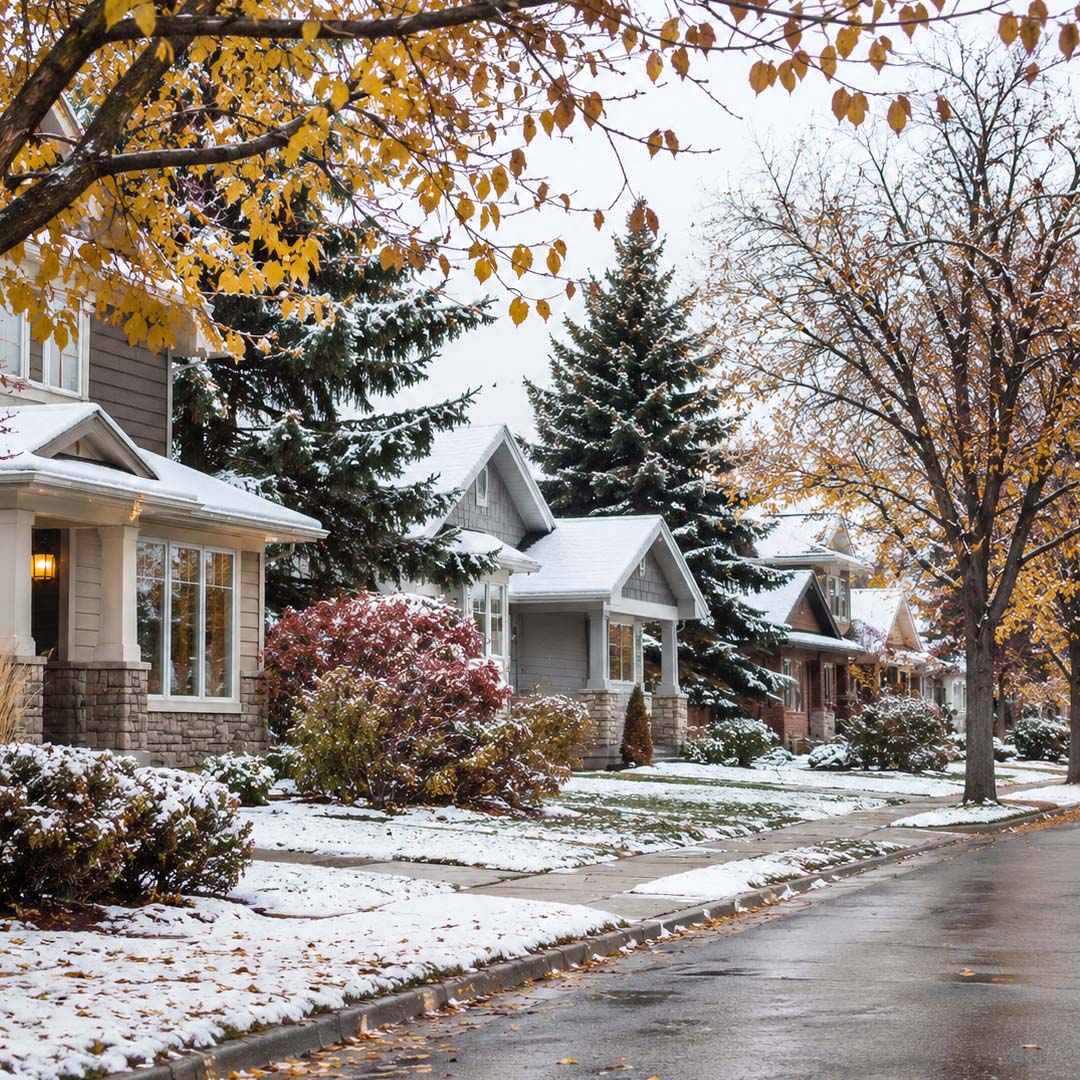
As St. Albert moves into winter, the presentation of a property can change considerably.
Snow may conceal landscaping, exterior grading and parts of the yard. Shorter daylight hours can influence photography and showing schedules. Buyers may also have different priorities when evaluating a home during colder weather.
However, seasonal changes don’t automatically mean that a homeowner should wait until spring to sell.
The better decision depends on the property, available competing listings, buyer demand and the homeowner’s circumstances.
For someone planning to sell in the coming months, November can be a useful time to review property value, gather maintenance records, assess potential improvements and begin preparing for a future listing.
That preparation can be valuable whether the eventual listing date falls in winter or spring.
How to Get a More Accurate Estimate of Your St. Albert Home’s Value
Online estimates and municipal assessments can provide general information, but neither replaces a property-specific review.
A useful valuation starts with understanding the home itself, including its location, size, condition, renovations and features that distinguish it from competing properties.
The next step is examining relevant recent sales and active listings to determine where the property fits within the current market.
For a homeowner who isn’t ready to sell immediately, this information can still be valuable.
It may help you decide whether to complete certain repairs, postpone a renovation, prepare for a move or simply understand how your property compares with others in St. Albert.
A current market evaluation also provides a starting point for discussing timing, pricing expectations and the steps involved in selling.
Thinking About Selling Your St. Albert Home?
Your home’s value isn’t determined by one feature, one nearby listing or a single online estimate.
It’s influenced by the complete property, its neighbourhood, recent comparable sales and how buyers evaluate the available options.
Whether you own a mature home in Lacombe Park, a family property in Deer Ridge or a newer home in Jensen Lakes, understanding those differences is an important part of making an informed real estate decision.
Steve Leddy, REALTOR® with Robertson Real Estate Group at RE/MAX Excellence, can help you review comparable properties, understand your home’s position in the local market and discuss your options for selling.
Contact Steve Leddy to discuss your St. Albert property’s potential market value.
Frequently Asked Questions About St. Albert Home Values
How do I find out what my St. Albert home is worth?
A comparative market analysis is a useful starting point. It examines recent sales of similar properties, current competing listings and the specific characteristics of your home, including location, condition, size and improvements.
Is my St. Albert property assessment the same as what my home would sell for?
Not necessarily. Municipal assessments are prepared for taxation purposes using a specific valuation date. Your property’s potential selling price depends on market conditions and buyer expectations at the time of sale.
Do finished basements increase home value in St. Albert?
A finished basement can contribute to a property’s appeal and value, particularly when it adds functional living space. The impact depends on the quality of the development, layout, permits where applicable and how the property compares with similar homes.
Does a renovated home always sell for more than an unrenovated one?
Not always. Renovations can influence buyer interest, but location, lot characteristics, overall condition and pricing also matter. The cost of a renovation doesn’t necessarily equal the additional resale value it creates.
Can two similar homes in the same neighbourhood have different values?
Yes. Differences in lot location, interior condition, upgrades, basement development, garage space and layout can all influence how buyers compare properties.
Should I wait until spring to have my home evaluated?
No. A market evaluation can be useful at any time of year, particularly if you’re considering selling within the next several months. It can help identify potential improvements and establish a starting point for your selling strategy.
Is an online home value estimate accurate?
Online estimates can provide a general reference, but they may not fully account for renovation quality, maintenance, unusual lot characteristics or the condition of your property. A property-specific analysis can provide more relevant context.