
Selling a Home in St. Albert: What Buyers Notice Before They Make an Offer
Selling a home in St. Albert involves more than preparing the property for photographs and choosing an asking price. Buyers are comparing your home with other properties in the community, weighing its condition against the price, and deciding whether it feels like a good long-term investment.
Sometimes, the details that influence that decision aren’t the ones sellers expect.
A newly painted living room may make a wonderful first impression, but buyers are also paying attention to the age of the furnace, the condition of the windows, the layout of the home and what they can see outside.
In St. Albert, where established neighbourhoods sit alongside newer residential developments, buyers may be comparing properties with very different features, ages and maintenance requirements.
If you’re preparing to sell your St. Albert home, understanding what buyers notice can help you make more informed decisions about repairs, presentation and pricing.
First Impressions Begin Before the Front Door
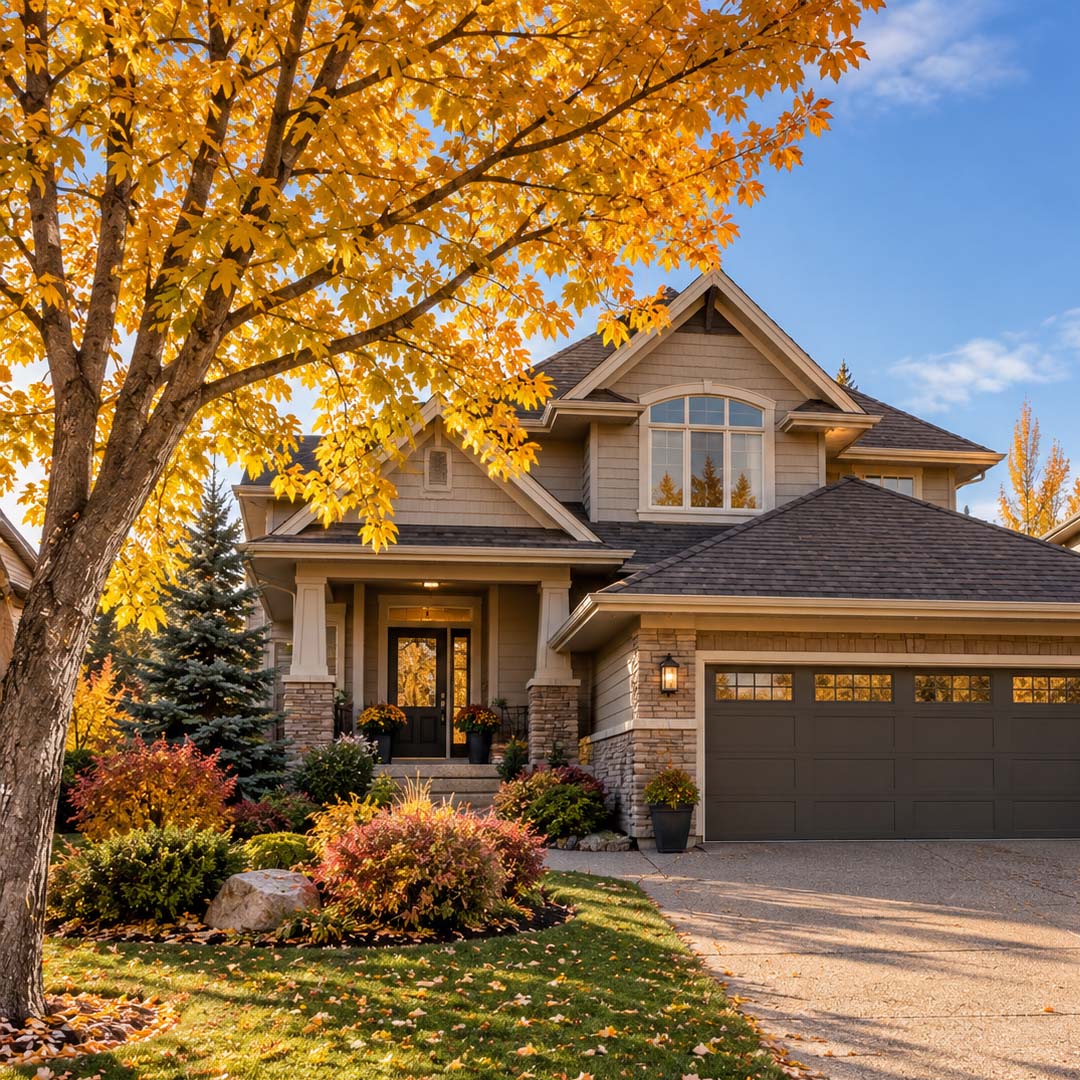
Buyers start forming opinions about a property before they step inside.
They notice the street, neighbouring properties, driveway, landscaping and exterior condition of the home.
In established St. Albert neighbourhoods such as Lacombe Park, Braeside, Akinsdale and Woodlands, mature trees and landscaping can contribute to a property’s appeal. However, buyers may also notice overgrown shrubs, branches close to the roof, cracked walkways or signs that exterior maintenance has been deferred.
In newer communities, buyers may pay closer attention to landscaping completion, fencing, drainage and the condition of recently installed exterior features.
Before listing, walk around your property as though you’re seeing it for the first time.
Does the entrance feel welcoming? Is the driveway in good condition? Are gutters and downspouts functioning properly? Does the yard look maintained?
These details don’t necessarily require expensive improvements. Often, routine maintenance and a thorough cleanup can make a meaningful difference.
Buyers Look Beyond Cosmetic Renovations
A renovated kitchen or updated bathroom can attract attention, but buyers increasingly want to understand what’s behind the finishes.
A home with attractive flooring and modern cabinetry may still have an aging furnace, original windows or a roof approaching the end of its useful life.
Those aren’t automatically reasons for someone to walk away. However, they can affect how buyers evaluate the asking price and anticipate future expenses.
Before selling your St. Albert home, consider gathering information about:
- Furnace and hot water tank age and maintenance
- Roof replacement or repair history
- Window and door upgrades
- Electrical and plumbing improvements
- Insulation and energy-efficiency upgrades
- Previous renovations, including permits where applicable
Having accurate documentation available can make it easier to answer questions during a showing or inspection.
A well-maintained home doesn’t need to be brand new. Buyers just want to understand what they’re purchasing.
The Difference Between Selling an Older and Newer St. Albert Home
One of the interesting things about St. Albert real estate is the variety of properties available.
Someone viewing an older home in Mission or Forest Lawn may be comparing it with a newer property in Jensen Lakes, Riverside or Erin Ridge North.
Those homes may appeal to the same buyer, but for different reasons.
Selling an Established St. Albert Home
Older homes may offer mature landscaping, established surroundings and features that aren’t always available in newer developments.
However, sellers should be prepared for questions about renovation history, maintenance and the condition of major building components.
If you’ve invested in meaningful upgrades, make sure they’re documented and communicated clearly.
A buyer may appreciate knowing that windows were replaced, drainage improvements were completed or the heating system has been regularly serviced.
Selling a Newer St. Albert Home
With newer construction, buyers may focus more heavily on finishes, floor plans, lot size and the completeness of the property.
An unfinished basement, incomplete landscaping or missing deck may influence how a buyer compares your home with another property nearby.
Newer doesn’t necessarily mean maintenance-free, either.
Buyers may still ask about grading, drainage, warranty coverage, builder information and improvements completed since construction.
Understanding the expectations associated with your type of property can help you prepare it more effectively.
For a closer look at the different residential areas throughout the city, explore our St. Albert neighbourhood guide.
A Functional Floor Plan Can Matter More Than Square Footage
It’s easy to assume that more square footage automatically makes a home more appealing.
But buyers also consider how that space functions.
A smaller home with a practical layout, good storage and comfortable living areas may feel more useful than a larger property with awkward room configurations.
During showings, buyers often imagine how their furniture will fit, where they’ll store everyday belongings and whether the home can accommodate their routines.
In St. Albert, practical considerations may include:
- An attached or detached garage with sufficient space
- A functional entryway for winter clothing and footwear
- Storage for seasonal equipment
- A comfortable kitchen and dining area
- Flexible space for working from home
- Bedrooms and bathrooms that suit the household
Sellers can’t easily change a floor plan, but they can improve how buyers experience it.
Removing excess furniture, organizing storage areas and ensuring rooms have a clear purpose can help buyers understand how the space works.
Natural Light, Windows and Interior Comfort
Buyers notice how a home feels as much as how it looks.
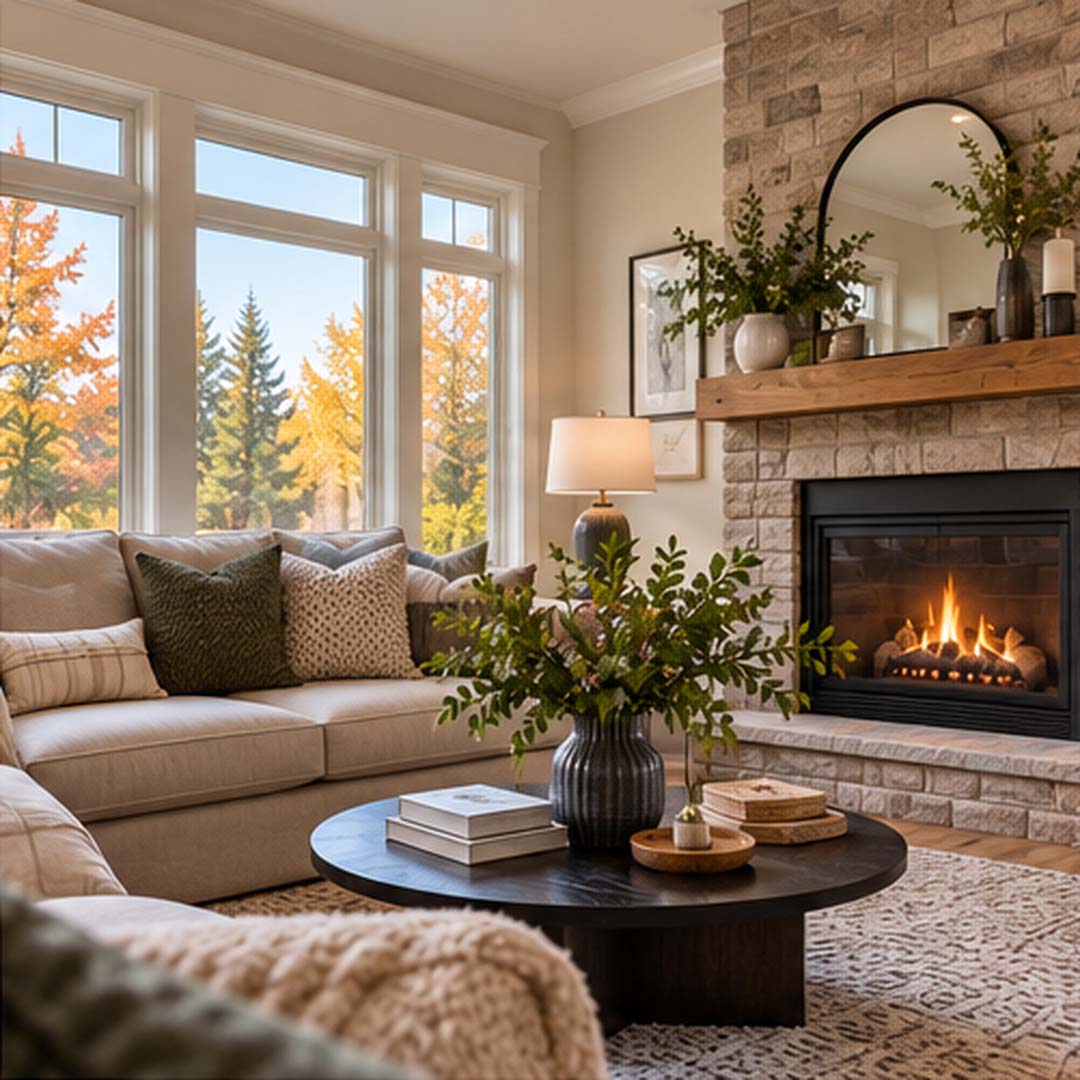
Natural light, comfortable room temperatures and the condition of windows can all influence their impressions.
In Alberta, where winter conditions are a significant part of homeownership, windows and heating systems are especially relevant.
Drafts, condensation between windowpanes or noticeably cold rooms may raise questions about comfort and future expenses.
Before listing, check that windows open and close properly, address obvious drafts where practical, and make sure heating equipment is functioning as intended.
Clean windows, open blinds and appropriate lighting can also make rooms feel brighter during showings.
This becomes particularly important during fall and winter, when daylight hours are shorter.
Buyers Pay Attention to the Basement
Basements are common in St. Albert homes, and buyers often see them as valuable living or storage space.
A finished basement might provide a recreation room, home office, guest accommodation or additional family space.
However, buyers may also look for evidence of moisture, previous water damage, foundation concerns or poorly completed renovations.
If your basement has experienced water infiltration or required repairs, be prepared to provide accurate information about the issue and the work completed.
Avoid attempting to conceal problems with fresh paint, flooring or furnishings.
Known material defects may trigger disclosure obligations, and unresolved issues can create complications during negotiations or inspections.
Addressing concerns appropriately before listing can help reduce uncertainty later.
The Garage and Driveway Are More Important Than You Might Think
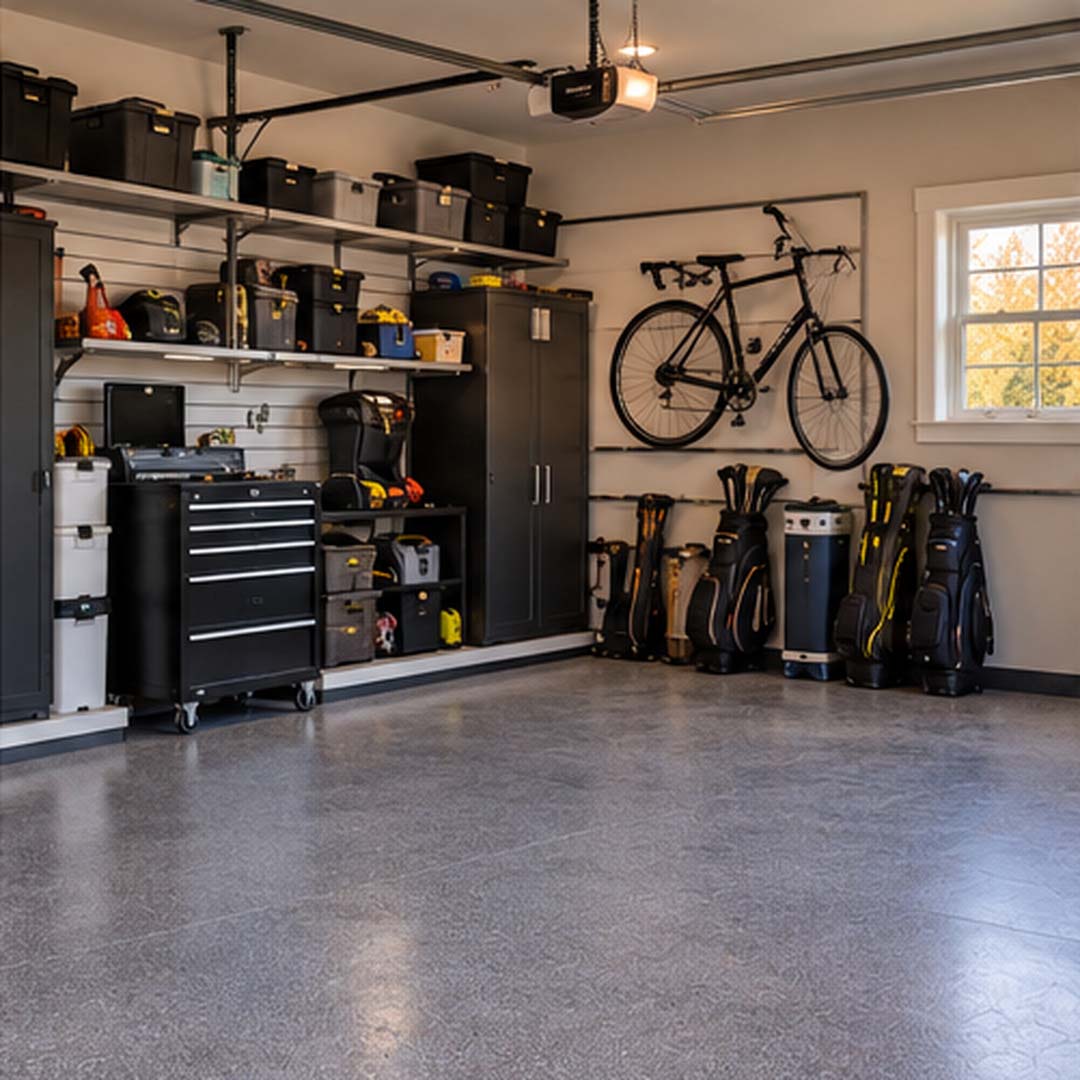
A garage may not be the most photogenic feature of a home, but it can be a major consideration for St. Albert buyers.
During an Alberta winter, covered parking, storage and a functional driveway become particularly valuable.
Buyers may look at garage dimensions, vehicle clearance, insulation, heating, storage capacity and the condition of the garage door.
A garage that is so full of belongings that buyers cannot properly assess the space may make it harder for them to appreciate its usefulness.
Before listing, organize the garage, remove unnecessary items and address obvious maintenance concerns.
Similarly, make sure the driveway and walkways are clean, accessible and in reasonable condition.
Buyers Compare Your Home With Other St. Albert Listings

Even a beautifully maintained home can struggle to attract offers if its asking price doesn’t align with competing properties.
Buyers rarely evaluate a home in isolation.
They’re looking at other listings, recent sales, neighbourhood differences, renovation levels and overall value.
A buyer considering your home in Deer Ridge may also be viewing properties in North Ridge or Erin Ridge. Someone interested in an established home may compare it with newer construction to decide which combination of location, condition and features works best.
That’s why pricing a St. Albert home requires more than looking at a citywide average.
A meaningful comparison considers:
- Recent sales of similar properties
- Current competing listings
- Neighbourhood and location
- Property age and condition
- Lot characteristics
- Renovations and upgrades
- Garage, basement and other functional features
The goal is to understand how buyers are likely to evaluate your home against the alternatives available to them.
An asking price should be supported by relevant market evidence, not simply the amount a seller hopes to receive.
Selling a Home in St. Albert During Fall or Winter

Selling during the colder months brings a few additional considerations.
As snow arrives, buyers may have fewer opportunities to assess landscaping, grading, roofing and other exterior conditions.
If you’re preparing to list in October or November, consider having professional exterior photographs taken while the yard and landscaping are still visible.
These images can help buyers understand the property even after snow covers the ground.
Other seasonal preparations include keeping entrances and walkways clear, ensuring exterior lighting works properly and maintaining a comfortable indoor temperature during showings.
It can also help to have maintenance records and information about winter-related improvements available.
Buyers considering a property before winter may be especially interested in heating systems, insulation, windows, drainage and the home’s performance during previous winters.
Our article on buying a home in St. Albert before winter explores many of the conditions buyers may investigate before making an offer.
Understanding those concerns from the buyer’s perspective can help sellers prepare.
Which Improvements Are Worth Making Before You Sell?
Not every improvement will increase a home’s selling price enough to justify the expense.
Replacing an entire kitchen shortly before listing may not be the best use of your budget, particularly if the existing kitchen is functional and reasonably maintained.
On the other hand, addressing a water leak, repairing damaged flooring or fixing a malfunctioning door may remove concerns that could otherwise influence a buyer’s decision.
Before spending money on renovations, separate potential improvements into three categories.
Repairs That Address Genuine Problems
These may include plumbing leaks, heating concerns, damaged exterior components or safety-related issues.
Such repairs deserve attention because they can affect inspections, buyer confidence and negotiations.
Improvements That Help Presentation
Fresh paint, minor repairs, cleaning, decluttering and landscaping maintenance can improve how a home looks and feels without requiring major renovation.
Larger Renovations
Kitchen replacements, bathroom renovations, extensive flooring changes and other major projects require more careful consideration.
The potential return depends on the property, neighbourhood, market conditions and what comparable homes are offering.
Before committing to expensive work, it can be helpful to review your home with a REALTOR® who understands the St. Albert market.
Should You Sell Before Winter or Wait Until Spring?
There isn’t one answer that works for every St. Albert homeowner.
The decision depends on your timeline, property condition, available competition, market conditions and what you’re planning to do after the sale.
Some sellers need to move within a specific timeframe. Others have the flexibility to prepare their property over winter and consider listing in the spring.
Waiting isn’t automatically the better choice, just as listing sooner doesn’t guarantee a faster sale.
If you’re considering selling, a useful starting point is understanding your home’s current market position.
What similar properties have sold recently? What competing homes are available? What work should be completed before listing? How much time do you need to prepare?
Answering those questions can help you make a decision based on your circumstances rather than assumptions about the season.
Preparing to Sell Your St. Albert Home?
Every property has strengths, limitations and features that influence how buyers perceive its value.
For some St. Albert homes, the biggest selling point may be a mature lot and established neighbourhood. For others, it may be newer construction, a functional layout, thoughtful renovations or access to nearby amenities.
The key is identifying what matters most to the buyers likely to consider your property and presenting it accurately.
Steve Leddy, REALTOR® with Robertson Real Estate Group at RE/MAX Excellence, can help you evaluate your home’s position in the St. Albert market, review competing properties and develop a selling strategy based on your goals.
Whether you’re thinking about listing this fall, preparing for spring or simply exploring your options, understanding how buyers will evaluate your home is a useful place to start.
Contact Steve Leddy to discuss selling your home in St. Albert.
Frequently Asked Questions About Selling a Home in St. Albert
What should I do before selling my home in St. Albert?
Start by reviewing the property’s condition, completing necessary maintenance, organizing renovation and service records, and assessing how your home compares with similar properties. A local market evaluation can help determine which improvements and pricing strategies make sense.
Is fall a good time to sell a home in St. Albert?
Fall can be a viable time to sell, but results depend on current market conditions, competition, pricing and the property itself. Sellers should consider their timeline and available inventory rather than assuming one season is always better.
Should I renovate my kitchen before selling?
Not necessarily. Major renovations can be expensive, and the return isn’t guaranteed. The decision should depend on your home’s current condition, competing listings, buyer expectations and estimated renovation costs.
What do buyers look for in older St. Albert homes?
Buyers may pay particular attention to the condition of the roof, windows, heating systems, plumbing, electrical components, foundation, drainage and previous renovations. Mature landscaping and established neighbourhood settings may also be appealing features.
Do I need a home inspection before listing my property?
A pre-listing inspection isn’t mandatory in most ordinary resale transactions, but it may help identify issues before buyers conduct their own inspections. Whether it’s worthwhile depends on the property’s age, condition and the seller’s circumstances.
How is the asking price for a St. Albert home determined?
Pricing typically involves reviewing recent comparable sales, active competing listings, property condition, location, features and current market conditions. Citywide averages alone may not accurately reflect an individual property’s value.
Should I wait until spring to sell my St. Albert home?
Spring may suit some sellers, but waiting isn’t always necessary or advantageous. Your decision should reflect your personal timeline, preparation needs, competing inventory and current local market conditions.



Leave a Reply
Want to join the discussion?Feel free to contribute!