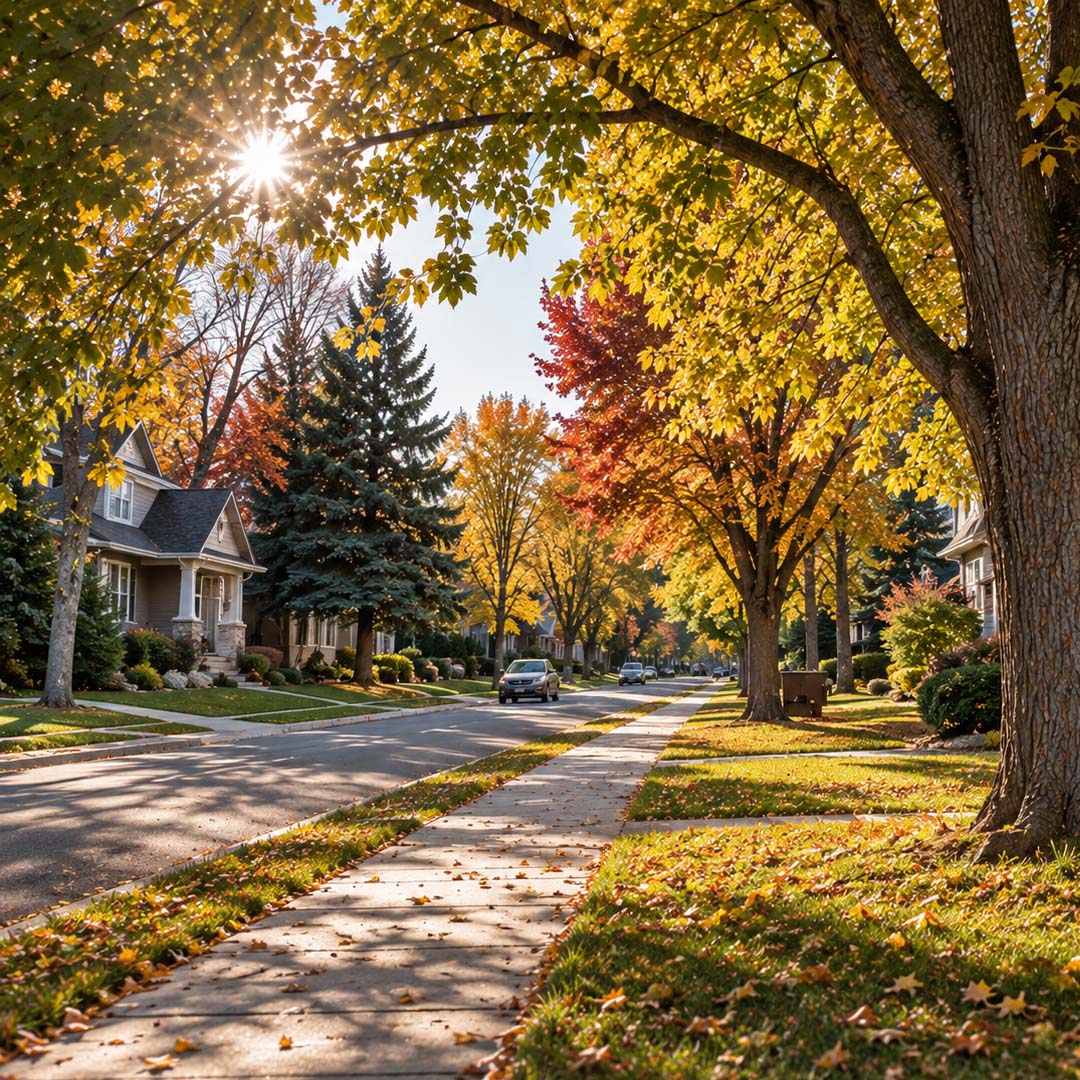

Tag Archive for: St. Albert real estate

what can i sell my house for in st albert

What Is My St. Albert Home Worth? Why Similar Homes Can Have Different Values

If you’ve been watching homes sell in your St. Albert neighbourhood, you’ve probably noticed that properties with similar square footage, bedrooms and bathrooms don’t always sell for similar prices.

One home might attract considerable interest while another, just a few streets away, sits on the market longer than expected. A recently renovated property may sell for more than a larger home, while an established house with mature landscaping might appeal to buyers who aren’t interested in newer construction.

For homeowners wondering what their St. Albert home is worth, these differences can make it difficult to arrive at a realistic number.

Understanding your home’s value involves much more than checking nearby asking prices, reviewing your municipal assessment or entering your address into an online calculator. It requires looking at the property itself, the neighbourhood, recent comparable sales and what buyers are currently willing to pay.

Your Home’s Value Is About More Than Square Footage
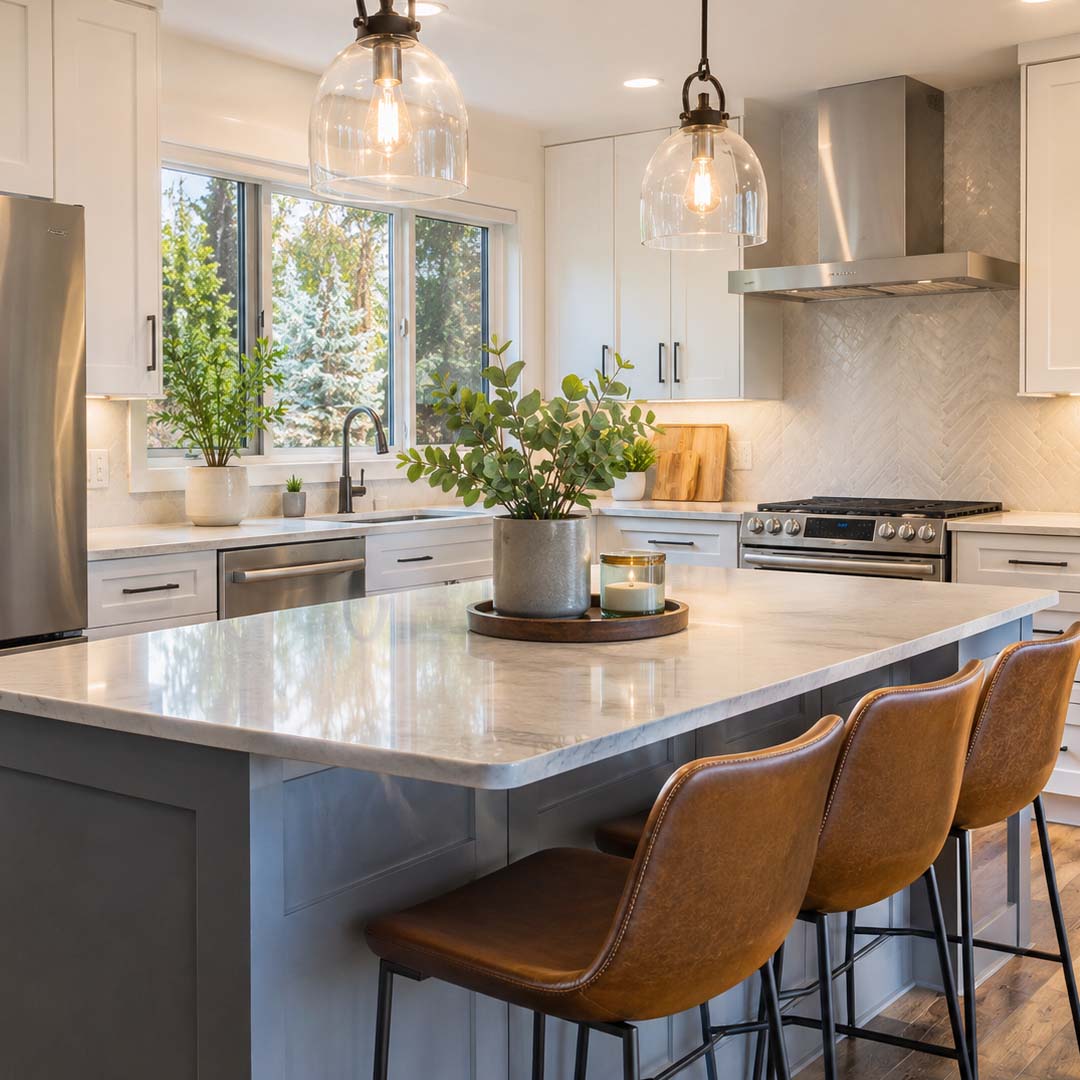
what is my home worth st albert

Square footage is an important starting point when comparing properties, but it doesn’t tell the whole story.

Consider two detached homes in St. Albert with approximately the same interior living area. One has an updated kitchen, newer windows, a finished basement and a double attached garage. The other has a larger backyard and mature trees but needs significant interior improvements.

Both properties may appeal to buyers, but not necessarily the same buyers or at the same price.

The age and condition of major building components, the quality of renovations, floor plan, lot characteristics and available parking can all influence perceived value.

A well-maintained home with a practical layout may be more appealing than a larger property that requires considerable work. Similarly, a house with original finishes can still have desirable features that are difficult or expensive to reproduce, such as an attractive lot or an established location.

The important question isn’t simply how your home compares on paper. It’s how buyers are likely to compare the complete property with the alternatives available to them.

How Your St. Albert Neighbourhood Influences Property Value
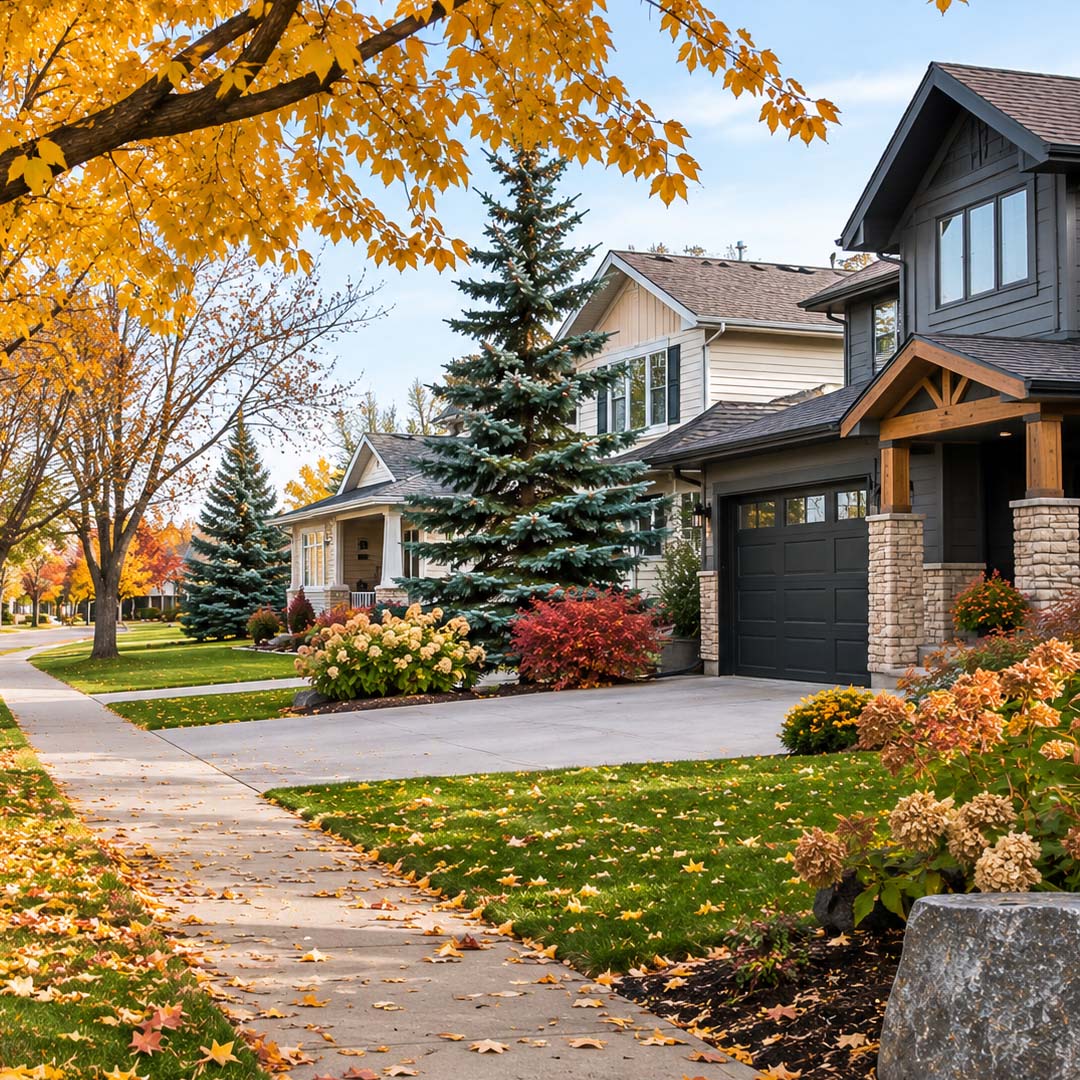
St. Albert home values

St. Albert’s residential neighbourhoods offer different combinations of home age, property size, landscaping, amenities and architectural styles.

Established communities such as Braeside, Mission, Forest Lawn and Lacombe Park can appeal to buyers who appreciate mature trees, established streets and the character of older residential areas.

In newer communities such as Jensen Lakes, Riverside and Erin Ridge North, buyers may be looking for contemporary layouts, newer building systems and modern finishes.

Neither type of neighbourhood is automatically more valuable. The relationship between location and price depends on the property, its condition and the preferences of buyers shopping within that price range.

Even within the same neighbourhood, location can make a difference. A property backing onto green space may attract different interest than a similar house on a busier road. A corner lot, walk-out basement, proximity to trails or particular street setting can influence how buyers evaluate a home.

For a closer look at the differences between local communities, explore our St. Albert neighbourhood guide.

Why Recent Sold Prices Matter More Than Asking Prices
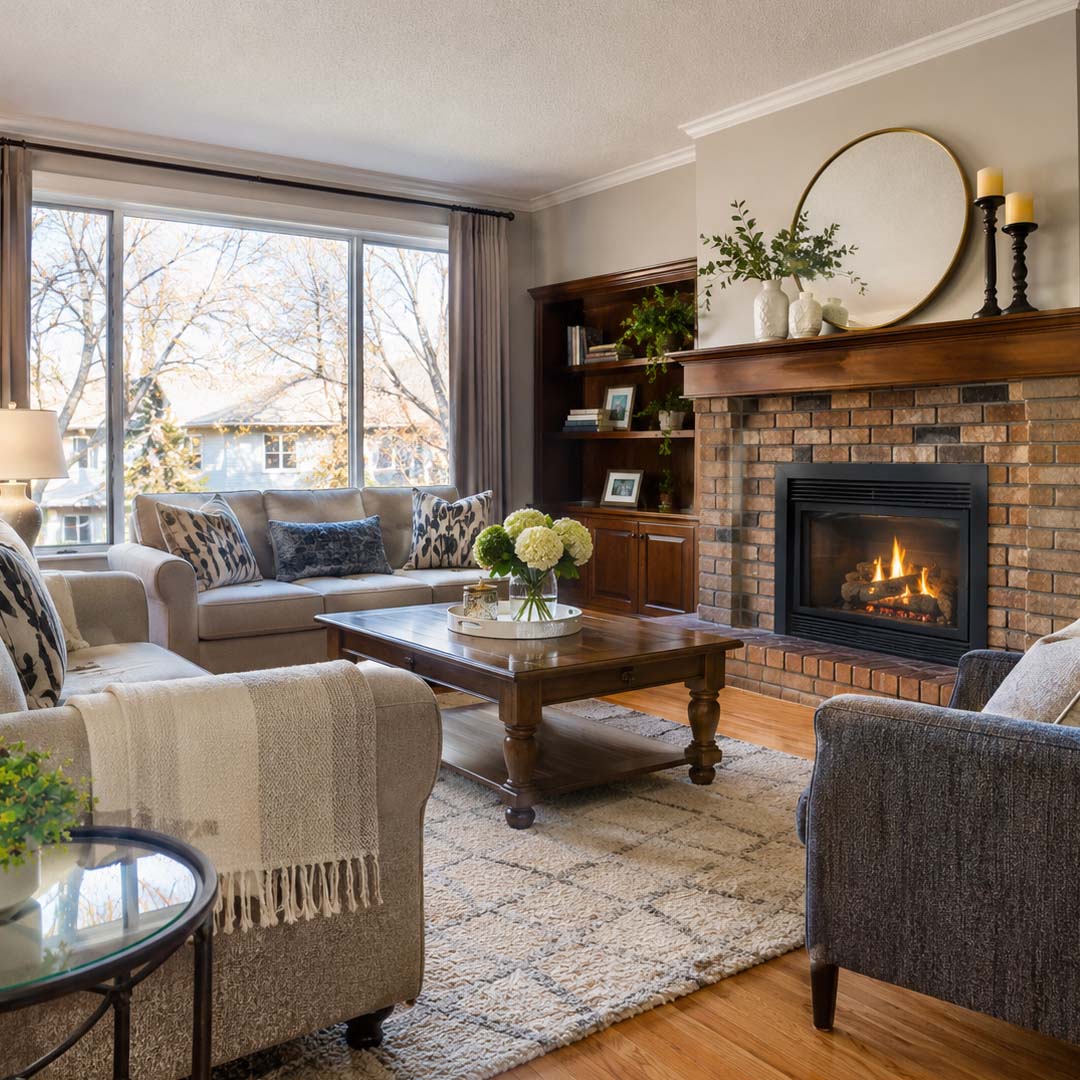
st albert home valuations

One of the most common ways homeowners estimate their property’s value is by looking at other homes currently listed for sale.

It’s understandable. Asking prices are easy to find, and nearby listings provide a useful indication of what sellers hope to achieve.

However, an asking price is not the same as a sale price.

A home listed at $650,000 hasn’t necessarily established that comparable properties are worth $650,000. The final selling price may be higher, lower or equal to the asking price, depending on buyer interest, competition and the property’s characteristics.

Recent completed sales provide a more meaningful starting point because they reflect prices buyers and sellers have actually agreed upon.

A comparative market analysis examines relevant sold properties while accounting for differences such as:

  • Neighbourhood and street location
  • Property type and interior living area
  • Age, condition and renovation history
  • Lot size and outdoor features
  • Garage and parking configuration
  • Basement development
  • Timing of the sale
  • Current competing listings

The closer the comparable properties are to your home in terms of location, condition and features, the more useful those comparisons become.

Where direct comparisons are limited, additional judgment is required. A unique home, extensively renovated property or house on an unusual lot may not have an obvious equivalent among recent sales.

Is Your St. Albert Property Assessment the Same as Market Value?
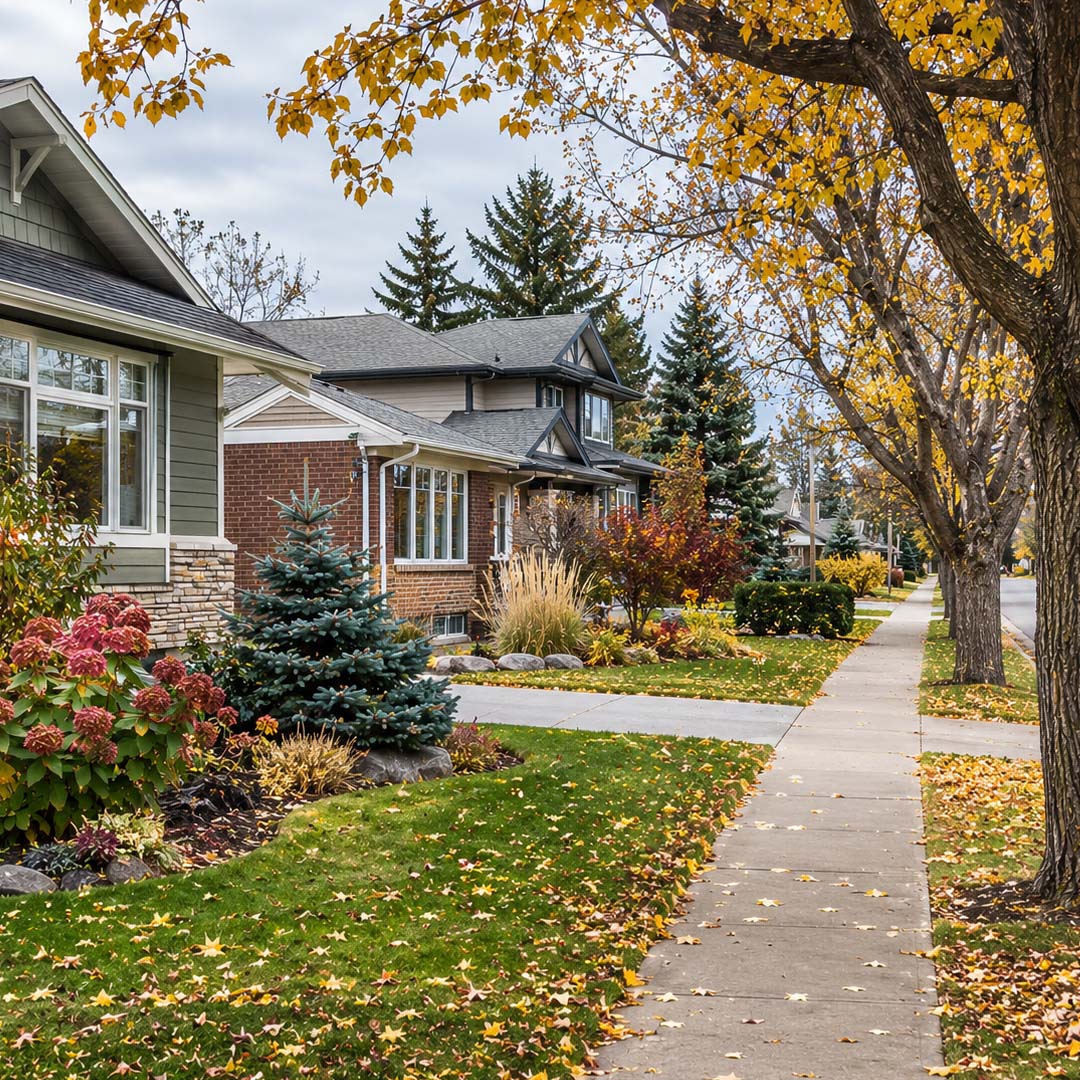
what is my home worth in st albert

Your annual municipal property assessment can be a useful reference, but it shouldn’t be treated as a guaranteed selling price.

The City of St. Albert assesses properties for municipal and education taxation purposes using a legislated valuation date.

For example, the City’s 2026 assessment notices reflect market value as of July 1, 2025, and the property’s physical condition as of December 31, 2025.

That means the assessment is based on a particular point in time rather than the exact conditions that exist when you decide to sell.

The City’s assessment process considers characteristics such as location, lot size, building size, age, condition, improvements and comparable sales. However, an individual property’s eventual selling price can differ from its assessed value.

If you’re considering listing your home, a current comparative market analysis is more useful for understanding how it may compete in today’s market.

You can learn more about the assessment process directly from the City of St. Albert’s property assessment information.

Do Renovations Increase Your St. Albert Home’s Value?


Renovations can improve a property’s appeal, but the amount spent on improvements doesn’t automatically translate into an equivalent increase in selling price.

A homeowner might invest substantially in a kitchen renovation, only to discover that buyers place greater importance on the home’s overall condition, layout or location.

Other improvements, such as replacing an aging roof or updating major mechanical systems, may not create the same immediate visual impact but can help address concerns that otherwise affect a buyer’s willingness to make an offer.

The value of an improvement depends partly on what buyers expect within a particular neighbourhood and price range.

For example, a fully renovated established home may appeal to buyers who want mature surroundings without taking on a major renovation. In a newer community, buyers may be comparing finishes, basement development, landscaping and upgrades completed after construction.

Before spending money on major improvements specifically for resale, it’s worth reviewing comparable properties to understand which features are influencing buyer decisions.

Our recent article, Selling a Home in St. Albert: What Buyers Notice Before They Make an Offer, explores the repairs, presentation details and property characteristics buyers tend to examine.

The Difference Between a Home’s Personal Value and Market Value

For many homeowners, a property represents years of investment, improvements and memories.

Perhaps you’ve renovated the kitchen, developed the basement, built a deck or spent years creating a beautiful garden. Those improvements may have made the home more enjoyable and functional for your family.

But buyers approach the property from a different perspective.

They’re comparing what your home offers with what else they could purchase for a similar amount. They may appreciate some of your improvements while placing less value on others.

Highly personalized renovations, unusual layouts or expensive finishes don’t always appeal to the broadest group of buyers.

This doesn’t mean those improvements were poor investments. They may have provided considerable enjoyment during your ownership.

It simply means that personal value and resale value are not always the same.

What Happens When Your Home Is Priced Too High?

Pricing a property above what comparable sales and current competition support can make attracting qualified buyers more difficult.

Today’s buyers can review photographs, floor plans, property details and competing listings before deciding which homes to view.

If a home appears significantly more expensive than similar alternatives, some buyers may decide not to schedule a showing.

Others may visit but expect additional features or improvements that justify the difference.

Over time, a listing that remains available without meaningful interest can raise questions about its price or condition.

On the other hand, pricing too low without a deliberate strategy can create its own risks.

The objective is to establish a competitive asking price that reflects the property’s characteristics, the available evidence and the seller’s goals.

That requires understanding not only what comparable homes have sold for, but also what buyers can choose from right now.

Why the Time of Year Can Influence Your Selling Strategy
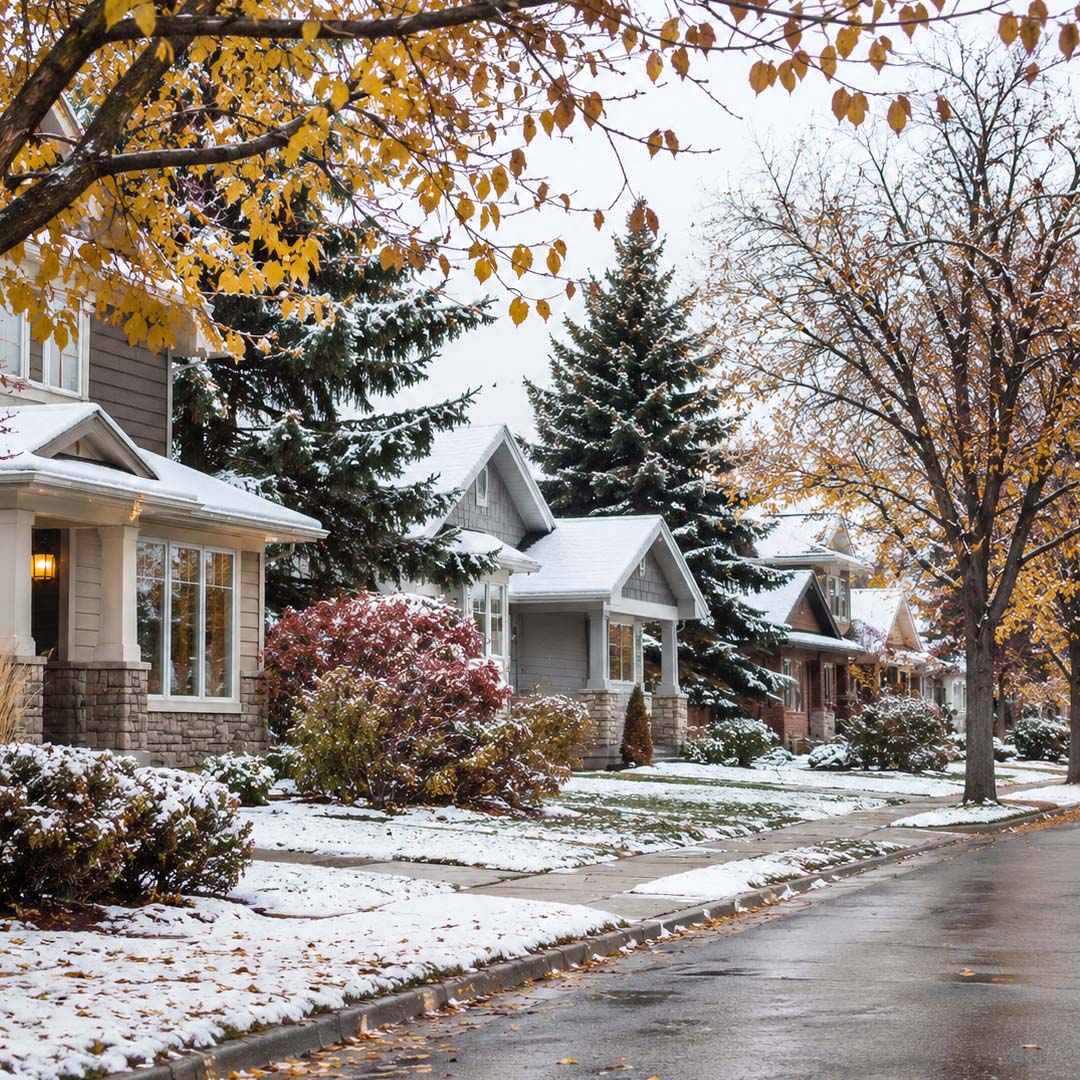
what is my st albert house worth

As St. Albert moves into winter, the presentation of a property can change considerably.

Snow may conceal landscaping, exterior grading and parts of the yard. Shorter daylight hours can influence photography and showing schedules. Buyers may also have different priorities when evaluating a home during colder weather.

However, seasonal changes don’t automatically mean that a homeowner should wait until spring to sell.

The better decision depends on the property, available competing listings, buyer demand and the homeowner’s circumstances.

For someone planning to sell in the coming months, November can be a useful time to review property value, gather maintenance records, assess potential improvements and begin preparing for a future listing.

That preparation can be valuable whether the eventual listing date falls in winter or spring.

How to Get a More Accurate Estimate of Your St. Albert Home’s Value

Online estimates and municipal assessments can provide general information, but neither replaces a property-specific review.

A useful valuation starts with understanding the home itself, including its location, size, condition, renovations and features that distinguish it from competing properties.

The next step is examining relevant recent sales and active listings to determine where the property fits within the current market.

For a homeowner who isn’t ready to sell immediately, this information can still be valuable.

It may help you decide whether to complete certain repairs, postpone a renovation, prepare for a move or simply understand how your property compares with others in St. Albert.

A current market evaluation also provides a starting point for discussing timing, pricing expectations and the steps involved in selling.

Thinking About Selling Your St. Albert Home?

Your home’s value isn’t determined by one feature, one nearby listing or a single online estimate.

It’s influenced by the complete property, its neighbourhood, recent comparable sales and how buyers evaluate the available options.

Whether you own a mature home in Lacombe Park, a family property in Deer Ridge or a newer home in Jensen Lakes, understanding those differences is an important part of making an informed real estate decision.

Steve Leddy, REALTOR® with Robertson Real Estate Group at RE/MAX Excellence, can help you review comparable properties, understand your home’s position in the local market and discuss your options for selling.

Contact Steve Leddy to discuss your St. Albert property’s potential market value.

Frequently Asked Questions About St. Albert Home Values

How do I find out what my St. Albert home is worth?

A comparative market analysis is a useful starting point. It examines recent sales of similar properties, current competing listings and the specific characteristics of your home, including location, condition, size and improvements.

Is my St. Albert property assessment the same as what my home would sell for?

Not necessarily. Municipal assessments are prepared for taxation purposes using a specific valuation date. Your property’s potential selling price depends on market conditions and buyer expectations at the time of sale.

Do finished basements increase home value in St. Albert?

A finished basement can contribute to a property’s appeal and value, particularly when it adds functional living space. The impact depends on the quality of the development, layout, permits where applicable and how the property compares with similar homes.

Does a renovated home always sell for more than an unrenovated one?

Not always. Renovations can influence buyer interest, but location, lot characteristics, overall condition and pricing also matter. The cost of a renovation doesn’t necessarily equal the additional resale value it creates.

Can two similar homes in the same neighbourhood have different values?

Yes. Differences in lot location, interior condition, upgrades, basement development, garage space and layout can all influence how buyers compare properties.

Should I wait until spring to have my home evaluated?

No. A market evaluation can be useful at any time of year, particularly if you’re considering selling within the next several months. It can help identify potential improvements and establish a starting point for your selling strategy.

Is an online home value estimate accurate?

Online estimates can provide a general reference, but they may not fully account for renovation quality, maintenance, unusual lot characteristics or the condition of your property. A property-specific analysis can provide more relevant context.

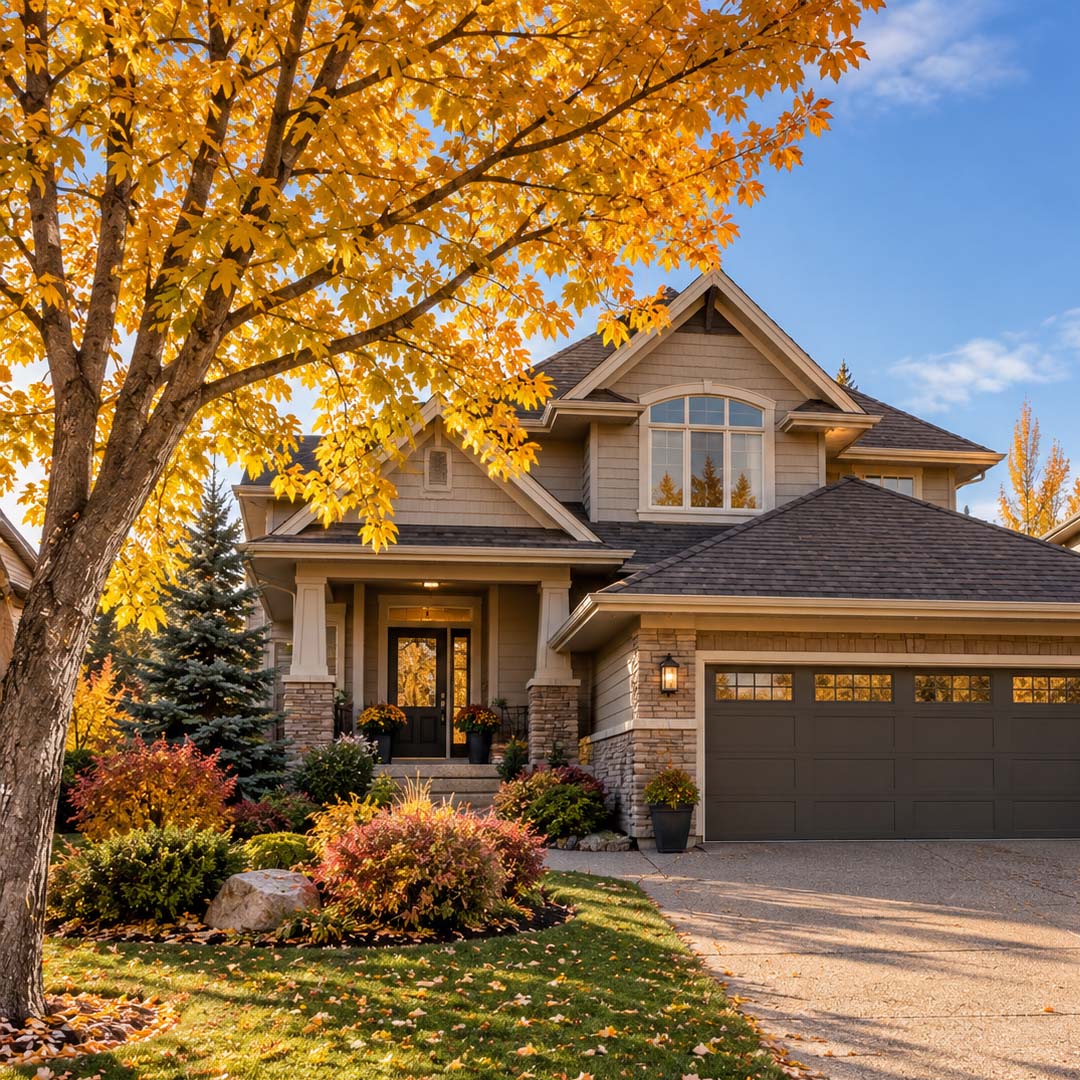
steve leddy maintenance and updates on st albert homes for sale

Selling a Home in St. Albert: What Buyers Notice Before They Make an Offer

Selling a home in St. Albert involves more than preparing the property for photographs and choosing an asking price. Buyers are comparing your home with other properties in the community, weighing its condition against the price, and deciding whether it feels like a good long-term investment.

Sometimes, the details that influence that decision aren’t the ones sellers expect.

A newly painted living room may make a wonderful first impression, but buyers are also paying attention to the age of the furnace, the condition of the windows, the layout of the home and what they can see outside.

In St. Albert, where established neighbourhoods sit alongside newer residential developments, buyers may be comparing properties with very different features, ages and maintenance requirements.

If you’re preparing to sell your St. Albert home, understanding what buyers notice can help you make more informed decisions about repairs, presentation and pricing.

First Impressions Begin Before the Front Door

selling a home in St Albert

Buyers start forming opinions about a property before they step inside.

They notice the street, neighbouring properties, driveway, landscaping and exterior condition of the home.

In established St. Albert neighbourhoods such as Lacombe Park, Braeside, Akinsdale and Woodlands, mature trees and landscaping can contribute to a property’s appeal. However, buyers may also notice overgrown shrubs, branches close to the roof, cracked walkways or signs that exterior maintenance has been deferred.

In newer communities, buyers may pay closer attention to landscaping completion, fencing, drainage and the condition of recently installed exterior features.

Before listing, walk around your property as though you’re seeing it for the first time.

Does the entrance feel welcoming? Is the driveway in good condition? Are gutters and downspouts functioning properly? Does the yard look maintained?

These details don’t necessarily require expensive improvements. Often, routine maintenance and a thorough cleanup can make a meaningful difference.

Buyers Look Beyond Cosmetic Renovations


A renovated kitchen or updated bathroom can attract attention, but buyers increasingly want to understand what’s behind the finishes.

A home with attractive flooring and modern cabinetry may still have an aging furnace, original windows or a roof approaching the end of its useful life.

Those aren’t automatically reasons for someone to walk away. However, they can affect how buyers evaluate the asking price and anticipate future expenses.

Before selling your St. Albert home, consider gathering information about:

  • Furnace and hot water tank age and maintenance
  • Roof replacement or repair history
  • Window and door upgrades
  • Electrical and plumbing improvements
  • Insulation and energy-efficiency upgrades
  • Previous renovations, including permits where applicable

Having accurate documentation available can make it easier to answer questions during a showing or inspection.

A well-maintained home doesn’t need to be brand new. Buyers just want to understand what they’re purchasing.

The Difference Between Selling an Older and Newer St. Albert Home

One of the interesting things about St. Albert real estate is the variety of properties available.

Someone viewing an older home in Mission or Forest Lawn may be comparing it with a newer property in Jensen Lakes, Riverside or Erin Ridge North.

Those homes may appeal to the same buyer, but for different reasons.

Selling an Established St. Albert Home

Older homes may offer mature landscaping, established surroundings and features that aren’t always available in newer developments.

However, sellers should be prepared for questions about renovation history, maintenance and the condition of major building components.

If you’ve invested in meaningful upgrades, make sure they’re documented and communicated clearly.

A buyer may appreciate knowing that windows were replaced, drainage improvements were completed or the heating system has been regularly serviced.

Selling a Newer St. Albert Home

With newer construction, buyers may focus more heavily on finishes, floor plans, lot size and the completeness of the property.

An unfinished basement, incomplete landscaping or missing deck may influence how a buyer compares your home with another property nearby.

Newer doesn’t necessarily mean maintenance-free, either.

Buyers may still ask about grading, drainage, warranty coverage, builder information and improvements completed since construction.

Understanding the expectations associated with your type of property can help you prepare it more effectively.

For a closer look at the different residential areas throughout the city, explore our St. Albert neighbourhood guide.

A Functional Floor Plan Can Matter More Than Square Footage

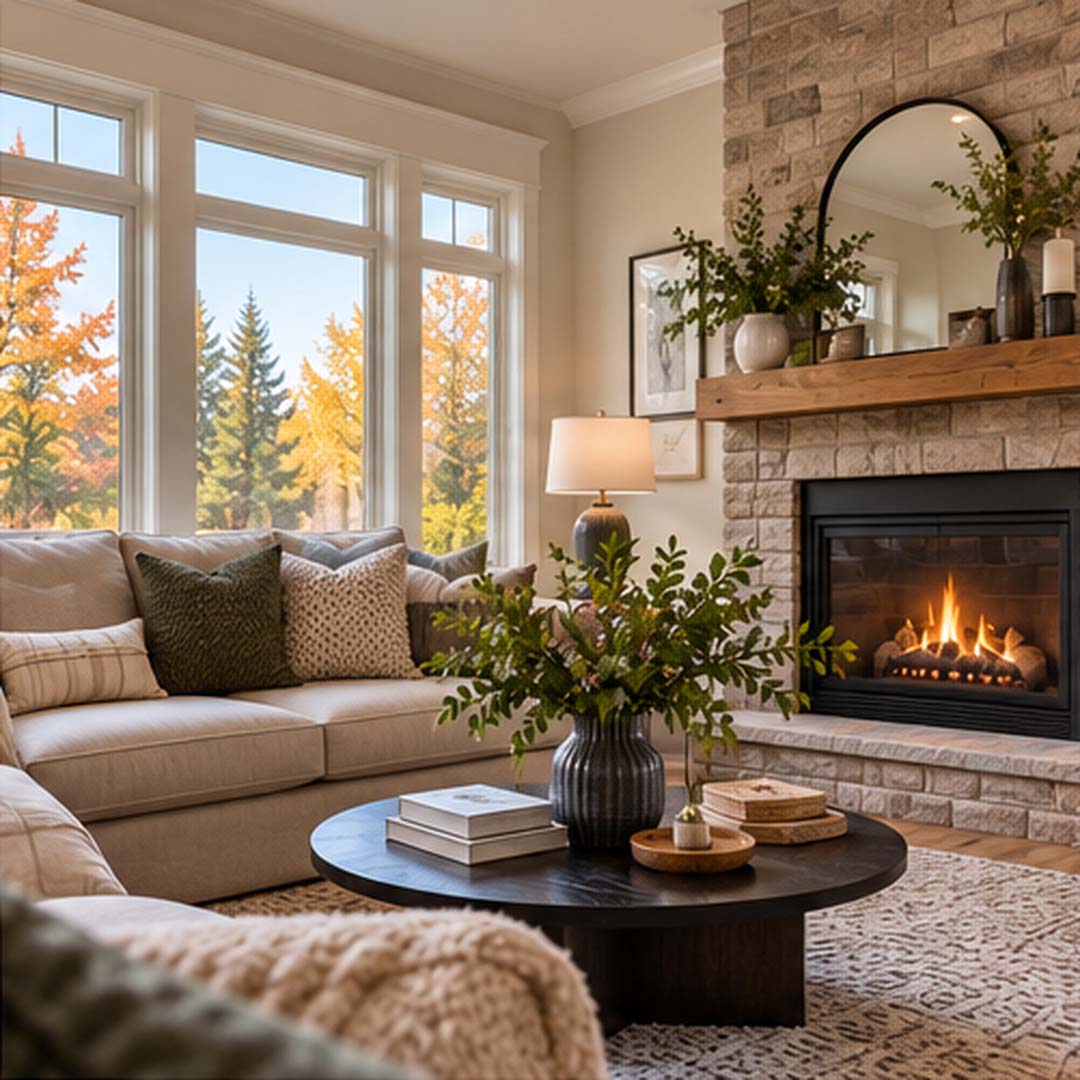
functional living space attracts st albert buyers

It’s easy to assume that more square footage automatically makes a home more appealing.

But buyers also consider how that space functions.

A smaller home with a practical layout, good storage and comfortable living areas may feel more useful than a larger property with awkward room configurations.

During showings, buyers often imagine how their furniture will fit, where they’ll store everyday belongings and whether the home can accommodate their routines.

In St. Albert, practical considerations may include:

  • An attached or detached garage with sufficient space
  • A functional entryway for winter clothing and footwear
  • Storage for seasonal equipment
  • A comfortable kitchen and dining area
  • Flexible space for working from home
  • Bedrooms and bathrooms that suit the household

Sellers can’t easily change a floor plan, but they can improve how buyers experience it.

Removing excess furniture, organizing storage areas and ensuring rooms have a clear purpose can help buyers understand how the space works.

Natural Light, Windows and Interior Comfort

Buyers notice how a home feels as much as how it looks.

Natural light, comfortable room temperatures and the condition of windows can all influence their impressions.

In Alberta, where winter conditions are a significant part of homeownership, windows and heating systems are especially relevant.

Drafts, condensation between windowpanes or noticeably cold rooms may raise questions about comfort and future expenses.

Before listing, check that windows open and close properly, address obvious drafts where practical, and make sure heating equipment is functioning as intended.

Clean windows, open blinds and appropriate lighting can also make rooms feel brighter during showings.

This becomes particularly important during fall and winter, when daylight hours are shorter.

Buyers Pay Attention to the Basement

Basements are common in St. Albert homes, and buyers often see them as valuable living or storage space.

A finished basement might provide a recreation room, home office, guest accommodation or additional family space.

However, buyers may also look for evidence of moisture, previous water damage, foundation concerns or poorly completed renovations.

If your basement has experienced water infiltration or required repairs, be prepared to provide accurate information about the issue and the work completed.

Avoid attempting to conceal problems with fresh paint, flooring or furnishings.

Known material defects may trigger disclosure obligations, and unresolved issues can create complications during negotiations or inspections.

Addressing concerns appropriately before listing can help reduce uncertainty later.

The Garage and Driveway Are More Important Than You Might Think

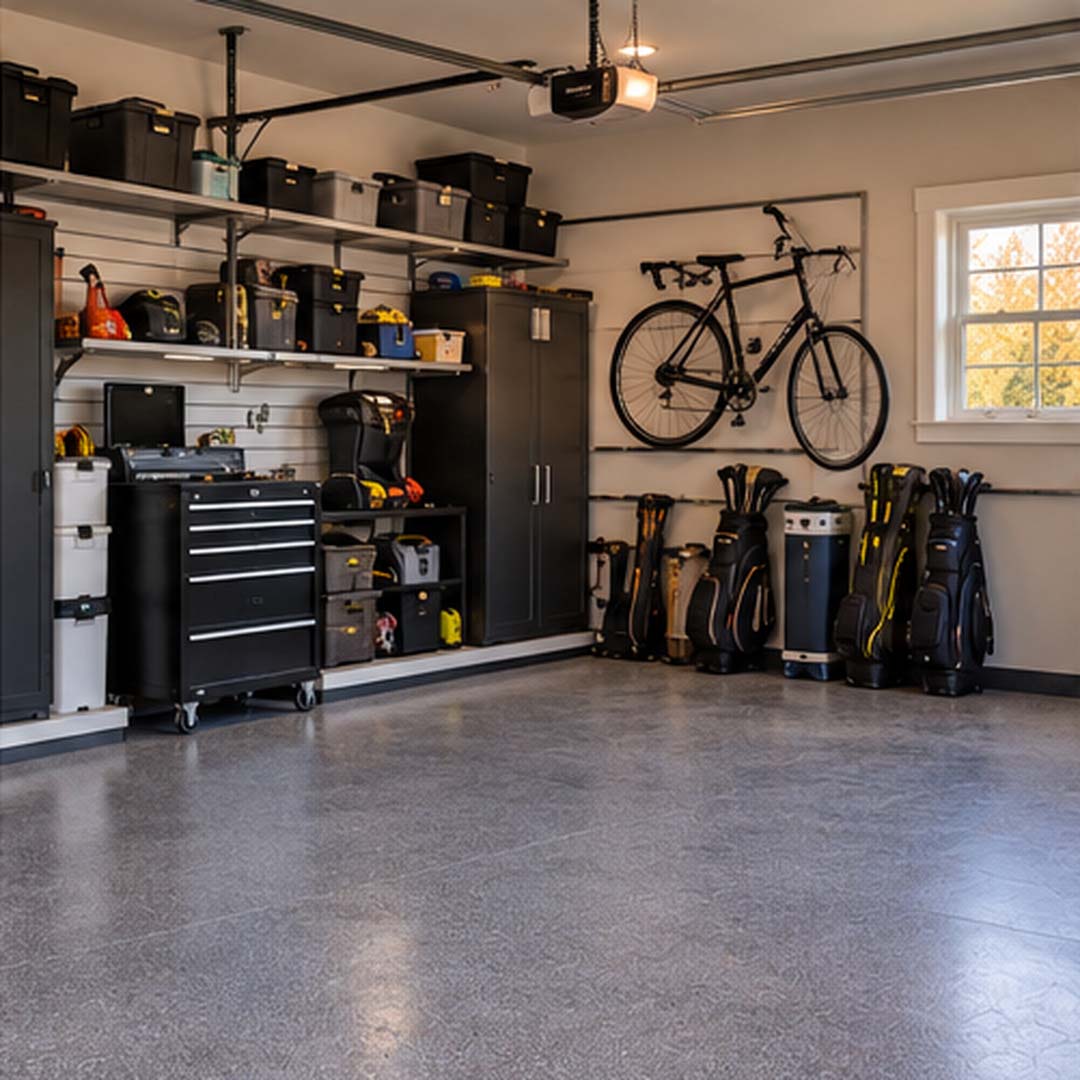
organized garage helps to sell st albert home

A garage may not be the most photogenic feature of a home, but it can be a major consideration for St. Albert buyers.

During an Alberta winter, covered parking, storage and a functional driveway become particularly valuable.

Buyers may look at garage dimensions, vehicle clearance, insulation, heating, storage capacity and the condition of the garage door.

A garage that is so full of belongings that buyers cannot properly assess the space may make it harder for them to appreciate its usefulness.

Before listing, organize the garage, remove unnecessary items and address obvious maintenance concerns.

Similarly, make sure the driveway and walkways are clean, accessible and in reasonable condition.

Buyers Compare Your Home With Other St. Albert Listings

neighbourhood and property values in st albert

Even a beautifully maintained home can struggle to attract offers if its asking price doesn’t align with competing properties.

Buyers rarely evaluate a home in isolation.

They’re looking at other listings, recent sales, neighbourhood differences, renovation levels and overall value.

A buyer considering your home in Deer Ridge may also be viewing properties in North Ridge or Erin Ridge. Someone interested in an established home may compare it with newer construction to decide which combination of location, condition and features works best.

That’s why pricing a St. Albert home requires more than looking at a citywide average.

A meaningful comparison considers:

  • Recent sales of similar properties
  • Current competing listings
  • Neighbourhood and location
  • Property age and condition
  • Lot characteristics
  • Renovations and upgrades
  • Garage, basement and other functional features

The goal is to understand how buyers are likely to evaluate your home against the alternatives available to them.

An asking price should be supported by relevant market evidence, not simply the amount a seller hopes to receive.

Selling a Home in St. Albert During Fall or Winter

fall exterior matintenance helps show your st albert hom

Selling during the colder months brings a few additional considerations.

As snow arrives, buyers may have fewer opportunities to assess landscaping, grading, roofing and other exterior conditions.

If you’re preparing to list in October or November, consider having professional exterior photographs taken while the yard and landscaping are still visible.

These images can help buyers understand the property even after snow covers the ground.

Other seasonal preparations include keeping entrances and walkways clear, ensuring exterior lighting works properly and maintaining a comfortable indoor temperature during showings.

It can also help to have maintenance records and information about winter-related improvements available.

Buyers considering a property before winter may be especially interested in heating systems, insulation, windows, drainage and the home’s performance during previous winters.

Our article on buying a home in St. Albert before winter explores many of the conditions buyers may investigate before making an offer.

Understanding those concerns from the buyer’s perspective can help sellers prepare.

Which Improvements Are Worth Making Before You Sell?

Not every improvement will increase a home’s selling price enough to justify the expense.

Replacing an entire kitchen shortly before listing may not be the best use of your budget, particularly if the existing kitchen is functional and reasonably maintained.

On the other hand, addressing a water leak, repairing damaged flooring or fixing a malfunctioning door may remove concerns that could otherwise influence a buyer’s decision.

Before spending money on renovations, separate potential improvements into three categories.

Repairs That Address Genuine Problems

These may include plumbing leaks, heating concerns, damaged exterior components or safety-related issues.

Such repairs deserve attention because they can affect inspections, buyer confidence and negotiations.

Improvements That Help Presentation

Fresh paint, minor repairs, cleaning, decluttering and landscaping maintenance can improve how a home looks and feels without requiring major renovation.

Larger Renovations

Kitchen replacements, bathroom renovations, extensive flooring changes and other major projects require more careful consideration.

The potential return depends on the property, neighbourhood, market conditions and what comparable homes are offering.

Before committing to expensive work, it can be helpful to review your home with a REALTOR® who understands the St. Albert market.

Should You Sell Before Winter or Wait Until Spring?

There isn’t one answer that works for every St. Albert homeowner.

The decision depends on your timeline, property condition, available competition, market conditions and what you’re planning to do after the sale.

Some sellers need to move within a specific timeframe. Others have the flexibility to prepare their property over winter and consider listing in the spring.

Waiting isn’t automatically the better choice, just as listing sooner doesn’t guarantee a faster sale.

If you’re considering selling, a useful starting point is understanding your home’s current market position.

What similar properties have sold recently? What competing homes are available? What work should be completed before listing? How much time do you need to prepare?

Answering those questions can help you make a decision based on your circumstances rather than assumptions about the season.

Preparing to Sell Your St. Albert Home?

Every property has strengths, limitations and features that influence how buyers perceive its value.

For some St. Albert homes, the biggest selling point may be a mature lot and established neighbourhood. For others, it may be newer construction, a functional layout, thoughtful renovations or access to nearby amenities.

The key is identifying what matters most to the buyers likely to consider your property and presenting it accurately.

Steve Leddy, REALTOR® with Robertson Real Estate Group at RE/MAX Excellence, can help you evaluate your home’s position in the St. Albert market, review competing properties and develop a selling strategy based on your goals.

Whether you’re thinking about listing this fall, preparing for spring or simply exploring your options, understanding how buyers will evaluate your home is a useful place to start.

Contact Steve Leddy to discuss selling your home in St. Albert.

Frequently Asked Questions About Selling a Home in St. Albert

What should I do before selling my home in St. Albert?

Start by reviewing the property’s condition, completing necessary maintenance, organizing renovation and service records, and assessing how your home compares with similar properties. A local market evaluation can help determine which improvements and pricing strategies make sense.

Is fall a good time to sell a home in St. Albert?

Fall can be a viable time to sell, but results depend on current market conditions, competition, pricing and the property itself. Sellers should consider their timeline and available inventory rather than assuming one season is always better.

Should I renovate my kitchen before selling?

Not necessarily. Major renovations can be expensive, and the return isn’t guaranteed. The decision should depend on your home’s current condition, competing listings, buyer expectations and estimated renovation costs.

What do buyers look for in older St. Albert homes?

Buyers may pay particular attention to the condition of the roof, windows, heating systems, plumbing, electrical components, foundation, drainage and previous renovations. Mature landscaping and established neighbourhood settings may also be appealing features.

Do I need a home inspection before listing my property?

A pre-listing inspection isn’t mandatory in most ordinary resale transactions, but it may help identify issues before buyers conduct their own inspections. Whether it’s worthwhile depends on the property’s age, condition and the seller’s circumstances.

How is the asking price for a St. Albert home determined?

Pricing typically involves reviewing recent comparable sales, active competing listings, property condition, location, features and current market conditions. Citywide averages alone may not accurately reflect an individual property’s value.

Should I wait until spring to sell my St. Albert home?

Spring may suit some sellers, but waiting isn’t always necessary or advantageous. Your decision should reflect your personal timeline, preparation needs, competing inventory and current local market conditions.

st albert homes for sale this fall

Buying a Home in St. Albert Before Winter: What to Look for in the Fall

Buying a Home in St. Albert Before Winter: What to Look for in the Fall

September can be a great time to look at homes in St. Albert.

The leaves are changing, mature neighbourhoods look fantastic, and the weather is usually still comfortable enough to get a good look at the exterior of a property before winter arrives.

It’s also a useful time to look beyond curb appeal.

St. Albert has a wide range of housing, from older homes in established neighbourhoods to newer construction, and what you need to look for can vary considerably from one property to another. Before snow covers the roof, yard, driveway and grading, fall gives buyers an opportunity to understand more about the home they’re considering.

If you’re buying a home in St. Albert this fall, here are some of the things worth investigating before making an offer.

Start With the Heating System

maintenance for homes in St Albert

In Alberta, the furnace isn’t something you want to discover has problems during the first serious cold snap.

When viewing a home, find out what type of heating system it has and, where possible, the approximate age of the equipment.

Look for maintenance records or ask when the furnace was last professionally serviced. If there’s central air conditioning, a humidifier, boiler, heat pump or other HVAC equipment, include those systems in your questions as well.

An older furnace isn’t automatically a reason to walk away from a home. It does, however, represent a potential future expense that should be considered when evaluating the property and your overall budget.

Take a Good Look at the Windows

Fall is a useful time to pay attention to windows because cooler mornings can begin revealing issues that weren’t as noticeable during summer.

Look at the condition of the frames and seals. Check whether windows open and close properly. Watch for condensation between panes, which can indicate a failed seal in an insulated glass unit.

In an established St. Albert home, it’s also worth finding out whether the windows have been replaced and, if so, whether the work was completed throughout the house or only in certain rooms.

Once temperatures fall significantly, inefficient windows can affect both comfort and heating costs.

Pay Attention to Grading and Drainage

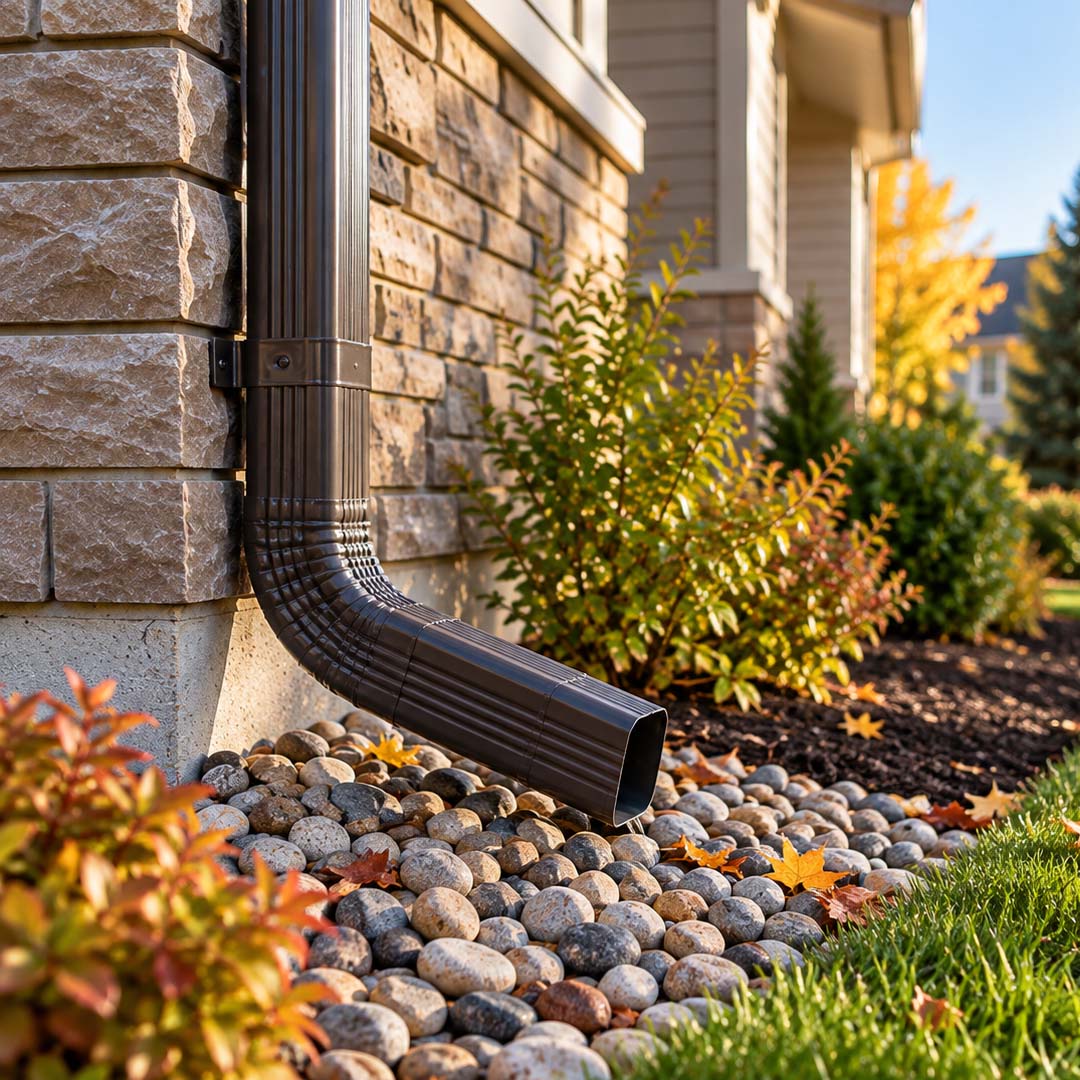
things to clean in your st albert home this fall

Before snow covers the yard, take some time to look at where water is likely to go.

Ideally, the ground around the home should direct water away from the foundation rather than toward it. Pay attention to low spots beside the house, downspout locations and areas where water appears likely to collect.

Look at the gutters and downspouts as well. Are they intact? Do the downspouts discharge away from the foundation?

Freeze-thaw cycles and spring snowmelt make drainage around a St. Albert property particularly important.

Established landscaping can sometimes make grading less obvious, especially around homes with mature gardens, decks or large trees. If something concerns you, have it evaluated as part of your due diligence rather than assuming it won’t be a problem.

Look Carefully at the Basement

Basements deserve attention when purchasing a home in St. Albert, particularly when you’re considering an older property.

Look for staining, damaged drywall, musty smells, efflorescence on concrete, recently replaced sections of flooring or other signs that warrant further investigation.

None of these automatically means a home has a serious moisture problem, but they are reasons to ask questions.

If the basement is finished, don’t let attractive flooring and furniture prevent you from looking closely at mechanical areas and any unfinished portions of the basement that are accessible.

A qualified home inspector can help identify visible signs of moisture intrusion and areas that may require further assessment.

Inspect the Roof While You Can Still See It

Once a roof is covered in snow, evaluating its visible condition becomes considerably more difficult.

Fall gives buyers an opportunity to look at shingles, flashing, gutters and the general condition of the roof before winter arrives.

Ask approximately how old the roof is and whether there have been previous repairs or leaks.

Mature trees are part of the appeal of many St. Albert neighbourhoods, but they also deserve consideration when evaluating a property. Look at whether large branches extend over the house or garage and how much leaf and debris accumulation there may be around the roof and gutters.

A professional home inspection can provide considerably more information than you’ll be able to gather from the ground during a showing.

Don’t Underestimate the Garage

A garage that seems like a nice extra in September can become considerably more important in January.

If the property has one, look beyond whether your vehicle physically fits.

Is the garage insulated? Is it heated? What condition is the overhead door in? Does it seal properly? Is there enough room for your vehicles once you account for winter tires, bikes, garbage bins, tools and other storage?

Also consider how you get from the garage into the house.

A practical entrance or mudroom can become surprisingly valuable once you’re dealing with winter boots, coats, snow and everything else that comes with an Alberta winter.

Check the Driveway, Walkways and Exterior Concrete

fall home sales in st albert

Fall is also a good opportunity to inspect exterior surfaces before they’re hidden under snow.

Look for significant cracking, settlement or uneven sections in driveways, patios and walkways.

Some cracking is common and doesn’t necessarily indicate a major problem. However, substantial movement or areas that appear to direct water toward the house deserve a closer look.

Think about snow removal too.

A large driveway or corner property may offer exactly the space you’re looking for, but it’s worth considering what maintaining it will involve throughout winter.

Mature Trees Are Beautiful, but Take a Closer Look

One of the things that makes many established St. Albert neighbourhoods so appealing is mature landscaping.

Large trees can provide shade, privacy and character that takes decades to establish.

They can also require maintenance.

Look at the size and apparent condition of trees, particularly those close to the house, garage, driveway, utility lines or neighbouring properties.

Fall can also give you a very realistic idea of how much leaf cleanup a property requires and whether gutters are likely to collect significant debris.

This isn’t necessarily a negative. It’s simply part of understanding what comes with owning that particular property.

Notice the Natural Light

st albert homes for sale steve leddy realtor

A bright home in June may feel quite different in December.

As the days become shorter and the sun sits lower in the sky, fall provides a better opportunity to think about how much natural light reaches the home’s main living spaces.

Pay attention to window orientation as well as neighbouring buildings and mature trees that may block sunlight.

Natural light isn’t something that appears on a home inspection report, but it can have a significant impact on how a home feels during Alberta’s shorter winter days.

Ask About Last Winter

One of the simplest things buyers can do is ask how the home has performed through previous winters.

Depending on what information is available, questions worth asking may include:

  • Have there been any frozen pipes?
  • Are there rooms that are noticeably colder than others?
  • Has ice regularly formed in particular areas around the property?
  • Has there been water intrusion during spring snowmelt?
  • Have there been previous roof or gutter issues?
  • Have the furnace or other heating components required recent repairs?
  • Are there areas of the driveway or walkway that regularly become icy?
  • Have there been any recurring winter maintenance problems?

You may also be able to request previous utility information to get some context around operating costs.

Previous bills won’t tell you exactly what you’ll pay because every household uses a home differently, but the information can still be useful.

Use Your Home Inspection

A showing helps you decide whether you’re interested in a property. It isn’t a substitute for a professional inspection.

Depending on the property and the terms of your offer, a qualified home inspector can assess visible components of the home and identify issues that deserve further investigation.

For a St. Albert property heading into winter, that may include the heating system, insulation, attic, roof, windows, foundation, drainage and other components that can affect how the home performs in cold weather.

If an inspector recommends having something evaluated by a specialist, take the recommendation seriously.

Explore the Neighbourhood Too

Buying a home means buying into a neighbourhood as well.

St. Albert communities can vary considerably in housing style, lot size, age, access to trails and parks, nearby amenities and overall feel.

If you have time, walk around the area rather than seeing it exclusively from your vehicle.

Consider access to schools, recreation, shopping and the places you’ll visit regularly. If you’ll be commuting into Edmonton for work, try the drive at approximately the same time you’d normally make it.

Think about winter as you explore too. The location that works beautifully on a sunny September afternoon should still make sense on a cold weekday morning in January.

Buying a Home in St. Albert This Fall

There is no perfect season to buy a home, but fall gives St. Albert buyers an opportunity to evaluate properties from a useful perspective.

You can still see the roof, yard, grading, driveway, landscaping and exterior while beginning to get a better sense of how the home will transition into colder weather.

The goal isn’t to find a property with absolutely nothing wrong with it. Most homes will require maintenance, repairs and improvements at some point.

The goal is to understand what you’re buying, what may require attention and whether the property is a good fit for the way you want to live.

If you’re considering buying a home in St. Albert, Steve Leddy, REALTOR® with Robertson Real Estate Group at RE/MAX Excellence, can help you explore local neighbourhoods, compare properties and ask the right questions before making an offer.

Frequently Asked Questions

steve leddy sell your house this fall st albert

Is fall a good time to buy a home in St. Albert?

Fall can be a useful time to shop because buyers can still evaluate exterior features such as the roof, grading, landscaping and driveway before they’re covered by snow. The right time to buy ultimately depends on available properties, market conditions, your finances and your individual circumstances.

What should I check when buying a St. Albert home before winter?

Pay particular attention to the heating system, windows, roof, grading and drainage, basement, garage, exterior concrete and insulation. Mature trees and landscaping may also deserve a closer look depending on the property.

Are older homes in St. Albert worth considering?

Absolutely. Established homes can offer mature neighbourhoods, larger lots and features that may be difficult to find in newer developments. Buyers should consider the condition and age of major components rather than judging a property solely by its year of construction.

Should I ask for utility bills before buying a home?

Where available, previous utility information may provide useful context about the cost of operating the property. Usage varies significantly between households, however, so previous bills shouldn’t be treated as a guarantee of your future costs.

How important is an insulated or heated garage in St. Albert?

That depends on your priorities. An insulated or heated garage can be convenient during Alberta winters, but it isn’t essential for every buyer. Consider your vehicles, storage requirements and how you expect to use the space throughout the year.

What should I look for in a St. Albert neighbourhood?

Consider your commute, schools if relevant, access to parks and trails, shopping, recreation, lot sizes, housing styles and how established you want the community to be. Visiting at different times of day can also give you a better sense of traffic and the overall feel of the area.